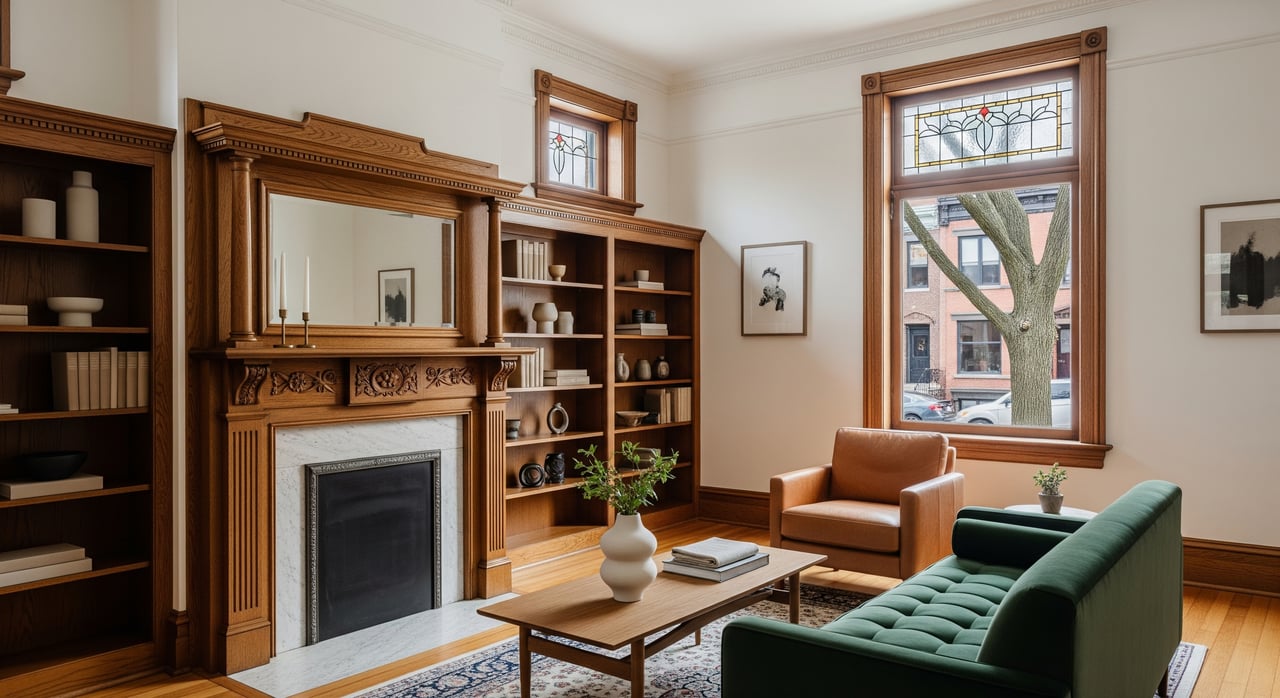
Selling a Saint Paul classic and want it to photograph beautifully without losing its soul? You are not alone. Many sellers wonder how to honor original woodwork, pocket doors, and tall ceilings while presenting a clean, current look. In this guide, you will learn what to keep, what to edit, and how to stage each space so buyers notice the craftsmanship first. Let’s dive in.
Why historic St. Paul homes shine
Saint Paul’s central neighborhoods feature late 19th and early 20th century styles with ornate wood trim, built-ins, pocket doors, plaster walls, and tall ceilings. These character details are your value drivers. Staging should highlight them, not compete with them. A preservation-minded approach helps you protect authenticity while increasing buyer appeal and listing performance.
Core staging principles that protect craftsmanship
Preserve original woodwork
Default to clean and repair instead of paint. Polished original wood often reads as higher value than newly painted trim. Gently clean grime, touch up scratches with compatible stain or shellac, and tighten loose pieces. Consider restoring or sourcing period-appropriate hardware to complete the look.
Choose wall colors that flatter wood
Use neutral wall colors with warm or neutral undertones to create contrast without overpowering. For golden oak or pine, try soft greige, warm light taupe, or off-white with warm undertones. For darker mahogany or walnut, choose warm whites or muted greys with warm undertones. Always test samples next to trim and view at different times of day, since Minnesota light changes seasonally.
Respect scale in tall rooms
Select furniture that matches the room’s volume. Taller bookcases, armoires, and balanced seating keep spaces from feeling dwarfed. Use an area rug large enough that the front legs of major pieces rest on it. This grounds the composition and reads better in photos.
Let pocket doors and built-ins lead
Stage pocket doors partially open to reveal flow and depth. Repair sticky tracks so movement feels effortless. Style built-ins with restraint. A few books, curated objects, and small plants go further than packed shelves.
Light for warmth and height
Layer lighting with overhead fixtures, sconces, and lamps. Keep color temperatures consistent, ideally 2700K to 3000K, which flatters wood tones. If original fixtures are in good condition, make them a feature. If not, choose period-appropriate replacements sized for the ceiling height.
Curate, do not clutter
Keep mantels, crown-molding sightlines, and window areas clear so the architecture reads cleanly. Use small, intentional vignettes. Box personal photos and memorabilia for showings.
Room-by-room Saint Paul staging playbook
Entry and foyer
Make the arrival moment count. Use a slim console or small bench that does not overpower the stair or newel post. A well-placed mirror can reflect light and detail. Choose a durable runner with the front legs of the console or bench on the rug.
Parlor and living room
Frame sightlines to the fireplace, stained glass, or ornate trim. Arrange seating to show traffic flow without blocking molding or doors. Over the mantle, use one large art piece or a mirror to avoid competing with detail.
Dining room
If you have a built-in sideboard or china cabinet, style it minimally with simple dishware or a single centerpiece. Select a chandelier scaled to both table and ceiling height. Adjust height thoughtfully so it photographs well and remains safe.
Kitchen
Whether original or remodeled, keep it clean and functional. Clear counters to show workspace. Stage with a bowl of fruit and a small vase on the island. If original wood cabinetry remains, avoid painting unless you intend a longer project timeline.
Bedrooms
Use layered neutral bedding that complements trim. Keep furniture proportional to ceiling height and room size. For smaller rooms, remove extras so the space feels generous while preserving one simple functional vignette.
Bathrooms
Sparkling clean fixtures are non-negotiable. If tile or vintage elements are in good shape, keep them. Many buyers appreciate authentic charm when it is clean and functional. Add bright, even lighting and a large mirror. Limit accessories to one or two coordinated pieces.
Porches and exterior
Clean and repair railings and trim. Stage with a small number of period-appropriate chairs, a tidy doormat, and potted greenery. If you are in a local historic district, check requirements before changing exterior paint colors or replacing original porch details.
Preservation-aware choices and local rules
Saint Paul has a Heritage Preservation Commission, and several districts have review requirements. Before repainting exterior trim, replacing original windows, or making major interior alterations, review applicable guidance. State and national resources, including the Minnesota State Historic Preservation Office and the Secretary of the Interior’s Standards, offer useful principles on reversible versus permanent treatments.
Favor reversible moves
Prioritize changes you can undo. Use temporary window film for privacy, plug-in sconces, removable curtains, and peel-and-stick rug pads. Focus on cleaning and touch-ups instead of repainting original trim.
When painting is appropriate
Wall painting is an easy refresh and usually acceptable. Painting historic trim is more complex. If considering it, test small areas and weigh the risk of deterring buyers who value unpainted wood. For any exterior work or significant interior changes, confirm local requirements first.
Safety and documentation
Ensure railings, stair treads, and visible elements feel solid. If you have documentation for mechanical systems such as HVAC and electrical, make it available. Buyers gain confidence when historic charm pairs with functional systems.
Stage for the camera
Great photos draw buyers to your showings. Shoot in natural light when possible. Aim for mid-morning or late afternoon for even illumination. Use a moderate wide-angle to capture rooms while keeping trim lines straight. Pair wide shots with close-ups of moldings, pocket doors, built-ins, stained glass, and newel posts.
Quick photo-day checklist
- Remove clutter and personal items; tuck away electronics.
- Clear counters; style 1 to 3 objects per surface.
- Open pocket doors partially to show flow.
- Use appropriately large rugs to ground furniture.
- Turn on all lamps and fixtures for warm, even light.
- Check mirrors and glass for reflections of gear.
- Add small greenery for life without visual noise.
Timeline and budget-smart steps
- Immediate: Deep clean woodwork, polish hardware, declutter, remove personal photos, add lamps, open curtains.
- Short term, 1 to 7 days: Rent or borrow a larger rug for main rooms, replace bulbs with warm white LEDs, repair sticky doors and windows, touch up wall paint where needed.
- Moderate, 1 to 4 weeks: Professionally clean or restore a mantel, perform minor trim repairs, hire a photographer experienced with historic homes.
- Bigger decisions: Painting trim, replacing windows or doors, or updating major fixtures should be reviewed against local preservation guidance before work begins.
Seller-ready checklist
- Clean and repair woodwork, do not paint trim unless advised.
- Choose neutral wall paint that complements the trim’s undertone; test next to wood.
- Right-size furniture for tall ceilings; add large area rugs.
- Keep pocket doors operable and staged partially open.
- Layer lighting, using 2700K to 3000K bulbs consistently.
- Curate built-ins and mantels with minimal accessories.
- Verify local historic rules before exterior or major interior changes.
A thoughtful, preservation-aware staging plan will help buyers see what makes your Saint Paul home special. When you let craftsmanship lead and support it with clean lines, warm lighting, and right-sized furnishings, you create a presentation that feels both timeless and current.
Ready to list your Saint Paul classic with design-forward staging and premium marketing? Begin your curated real estate experience with Hays + Baker Real Estate.
FAQs
What makes staging different for historic Saint Paul homes?
- The goal is to protect and showcase original features like woodwork, pocket doors, and tall ceilings while editing furnishings and colors so those details stand out in person and in photos.
Should I paint original wood trim before selling a historic home?
- In most cases, no. Cleaning and minor repairs usually outperform painted trim, and many buyers value original wood. Consider painting only if damage is severe, and test small areas first.
How do I choose wall colors that work with dark wood trim?
- Use warm whites or muted greys with warm undertones for balance. Always sample next to trim and view throughout the day to account for seasonal light shifts.
What should I do with pocket doors during showings and photos?
- Repair sticky tracks and stage doors partially open to show flow and depth. Fully closed doors can make rooms feel smaller.
Are there local rules I must follow before making changes to a historic property?
- Yes. Saint Paul’s Heritage Preservation Commission oversees designated districts, and state and national resources offer guidance. Confirm requirements before exterior work or major interior changes.