Does your St. Paul Victorian or Craftsman shine with original woodwork, but you worry today’s buyer wants something more turnkey? You’re not alone. Classic homes draw buyers with character, yet they still expect modern comfort and clear functionality. In this guide, you’ll learn how to stage a St. Paul classic so it feels both historic and move-in ready, with a room-by-room plan, Minnesota-specific curb appeal, and tips to calm buyer concerns. Let’s dive in.
Know your St. Paul buyer
St. Paul’s iconic neighborhoods, from Summit Avenue and Cathedral Hill to Macalester-Groveland, West 7th, Highland Park, and Dayton’s Bluff, attract buyers who love trim details, built-ins, and front porches. They also want updated systems, efficient heating and cooling, and practical storage for four seasons. Professionals, families, and downsizers all shop here because these areas are walkable and close to both downtowns.
Many buyers are open to smaller room footprints if the layout feels usable. You can win them over by showing clear flow, right-sized furniture, and smart storage. Staging that highlights authenticity while signaling modern reliability creates confidence and urgency.
Highlight the architecture
Preserve signature details
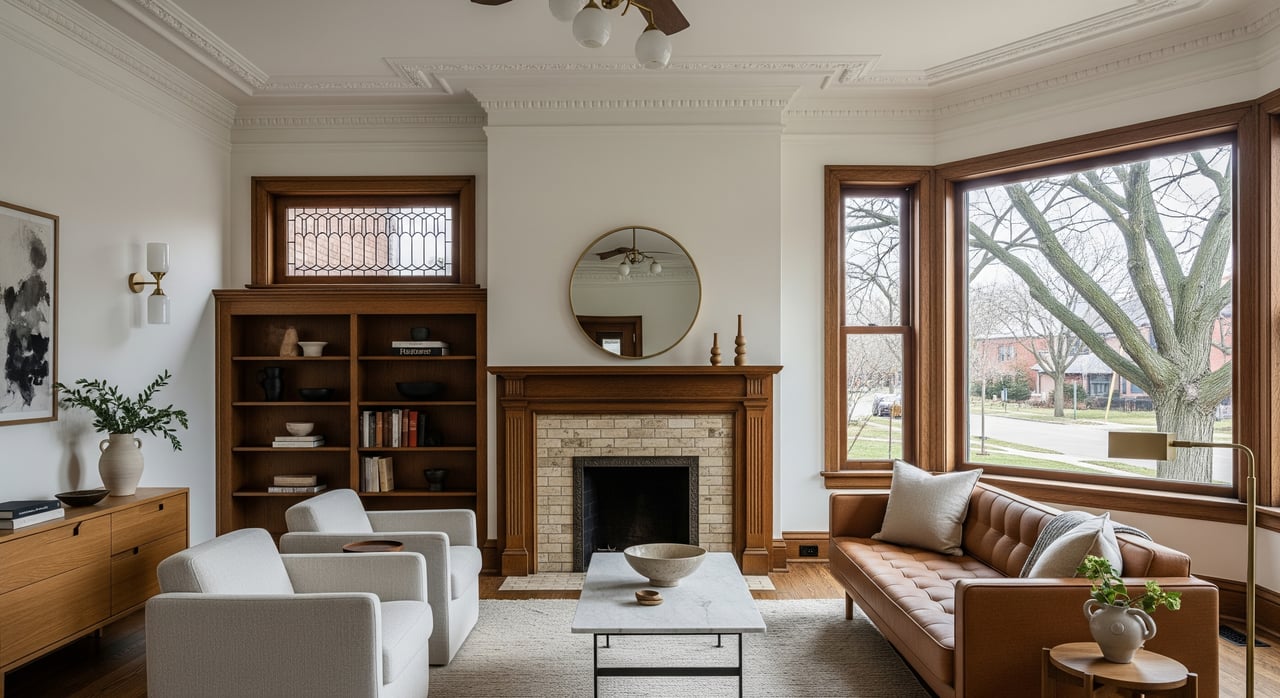
Show off original wood trim, built-ins, staircases, and fireplaces. Keep drapery light so windows and casings are visible. If walls need a refresh, use warm, neutral paint that complements the wood rather than competing with it. Avoid covering or removing historic features during preparation.
Scale for smaller rooms
Older homes often have modest bedroom sizes or enclosed front rooms. Choose lower-profile sofas, slim armchairs, and beds scaled to the space. Symmetrical arrangements feel period-appropriate and make rooms read larger in photos. Edit extra pieces to create a clear path through each space.
Lighting that flatters woodwork
Many classics have smaller windows. Layer ambient, task, and accent lighting to brighten trim and built-ins. Replace overly dated fixtures with simple, period-sensitive options. Warm-temperature bulbs help the wood glow without feeling dark.
Room-by-room staging plan
Porch and entry
Make the front porch a true living space with a small seating set and seasonal textiles. Keep the walkway and steps clear and tidy, especially in winter. In a formal entry, add a bench, hooks, and a console to show a purposeful drop zone.
Living and formal rooms
Arrange seating to highlight the fireplace, built-ins, or pocket doors. Use a rug to center the conversation area and leave millwork visible. Keep art and decor simple so character takes the lead.
Dining room flex
If you’ve been using the dining room as an office, show both possibilities. Stage a scaled dining set to confirm the room’s intended use, then add a small writing desk or styled console to suggest flexibility. Buyers appreciate options without losing formality.
Kitchen that works
If a full remodel isn’t planned, present a spotless, functional workspace. Clear counters, refresh hardware, and add a defined coffee or prep zone. If the layout is compact, emphasize workflow with visible storage solutions and newer appliances.
Bright, fresh baths
Swap tired accessories, brighten lighting, and deep clean tile and grout. Lean into period charm if you have original tile or fixtures, and pair them with crisp textiles. A tidy, well-lit bath reads as cared for and move-in ready.
Comfortable bedrooms
Use appropriately sized beds and streamlined nightstands. Keep window coverings light to maximize natural light. If you have a main-level bedroom, stage it to signal accessibility to a broad range of buyers.
Mudroom and basement
Stage the mudroom for Minnesota winters with boot trays, hooks, a bench, and labeled baskets. In the basement, define clean zones for laundry, exercise, or office use. Bright lighting and organized storage help buyers see usable square footage, not just utility space.
Curb appeal that works year-round
Snow and ice management matters. Keep walkways shoveled and entries de-iced for every showing. Add evergreen planters or structural shrubs for winter interest, and keep porches swept with simple, durable furniture. Repair visible porch boards, gutters, and trim to signal good maintenance.
Historic exteriors deserve careful care. If repainting or repairing decorative trim, use neutral or historically appropriate colors. In designated historic districts, confirm exterior work with the city before you start. Small, thoughtful updates can produce outsized confidence.
Reduce renovation anxiety
Buyers of older homes often ask about maintenance. Prepare a simple, printed list of upgrades with installation dates, like HVAC, water heater, insulation, roof, or window improvements. Keep permits and contractor invoices ready for review. For homes built before 1978, have required lead-based paint disclosures available and avoid disturbing suspect surfaces during preparation.
If you completed permitted work, note the permit numbers in your listing packet. Clear documentation increases trust and helps buyers focus on the home’s features rather than risks.
Photography and online presentation
Great photos and floor plans are essential for older layouts. Work with a photographer who knows how to showcase trim, volume, and flow. Include a floor plan and a virtual tour to help buyers understand room sizes and connections. If listing in winter, capture images that show well-cleared entries and warm interior lighting.
Budget, timeline, and ROI
Industry surveys consistently note that staged homes tend to attract stronger buyer interest and spend less time on the market. Focus first on high-impact, low-cost tasks: deep cleaning, decluttering, paint touch-ups, lighting upgrades, and porch refreshes. These items typically deliver outsized returns in classic homes.
Plan around Minnesota seasonality. Spring through early fall is peak, but winter listings can perform well with strong interior warmth and careful exterior care. If you’re considering exterior work in a historic area, allow time to confirm any required approvals.
Messaging for your listing
Use language that balances authenticity and updates. Consider highlighting:
- Character with updates: original woodwork, built-ins, and porch details paired with modern kitchen and bath improvements.
- Move-in ready: documented systems and maintenance, clear room function, and professional staging.
- Seasonal functionality: mudroom storage, basement zones, and garage or driveway capacity.
- Historic details: hardwood floors, plaster, and craftsmanship that define St. Paul classics.
Quick staging checklist
- Repair porch boards, railings, steps, and refresh visible trim.
- Clear snow and ice; stage the porch with simple seating.
- Trim shrubs and add evergreens for winter curb appeal.
- Confirm gutters and downspouts are clean and tidy.
- Stage the entry with a bench, hooks, and a key tray.
- Neutralize wall color where needed and scale furniture to each room.
- Deep clean kitchens and baths; update hardware and lighting where possible.
- Stage mudrooms for winter and define bright, usable basement zones.
- Provide a list of upgrades and any permits.
- Prepare required lead-based paint disclosures for pre-1978 homes.
- Book a photographer skilled with historic interiors and provide a floor plan and virtual tour.
Partner with a team that understands classics
Staging a St. Paul classic is part design and part strategy. You want a presentation that protects historic character, answers buyer questions upfront, and drives strong showings. Our team blends design-forward preparation with thoughtful marketing to position your home for the right audience and outcome.
Ready to prepare your St. Paul classic for today’s buyer? Begin with a conversation with Hays + Baker Real Estate.
FAQs
What makes St. Paul classics appealing to today’s buyers?
- Buyers want original character like wood trim and porches paired with modern systems, efficient comfort, and usable storage in established, walkable neighborhoods.
How should I stage a small, enclosed kitchen in a historic home?
- Keep it spotless, highlight workflow with defined prep and coffee zones, refresh hardware and lighting, and let newer appliances and smart storage show functionality.
Do I need permission to change the exterior in a historic district?
- Many exterior changes in designated St. Paul historic districts require city review, so confirm guidelines and approvals before repainting, repairing windows, or altering porches.
What should I do about lead-based paint in a pre-1978 home?
- Provide the required federal disclosures to buyers and avoid disturbing painted surfaces during preparation; use qualified pros for any work that could affect lead paint.
How can staging address Minnesota winter showings?
- Keep entries shoveled and de-iced, add warm interior lighting, stage the mudroom with boots-and-coats storage, and show clean, dry pathways from parking to the door.
When is the best time to list a St. Paul classic?
- Spring through early fall is peak, but a well-staged home can list in winter with success if you emphasize interior warmth and meticulous exterior upkeep.