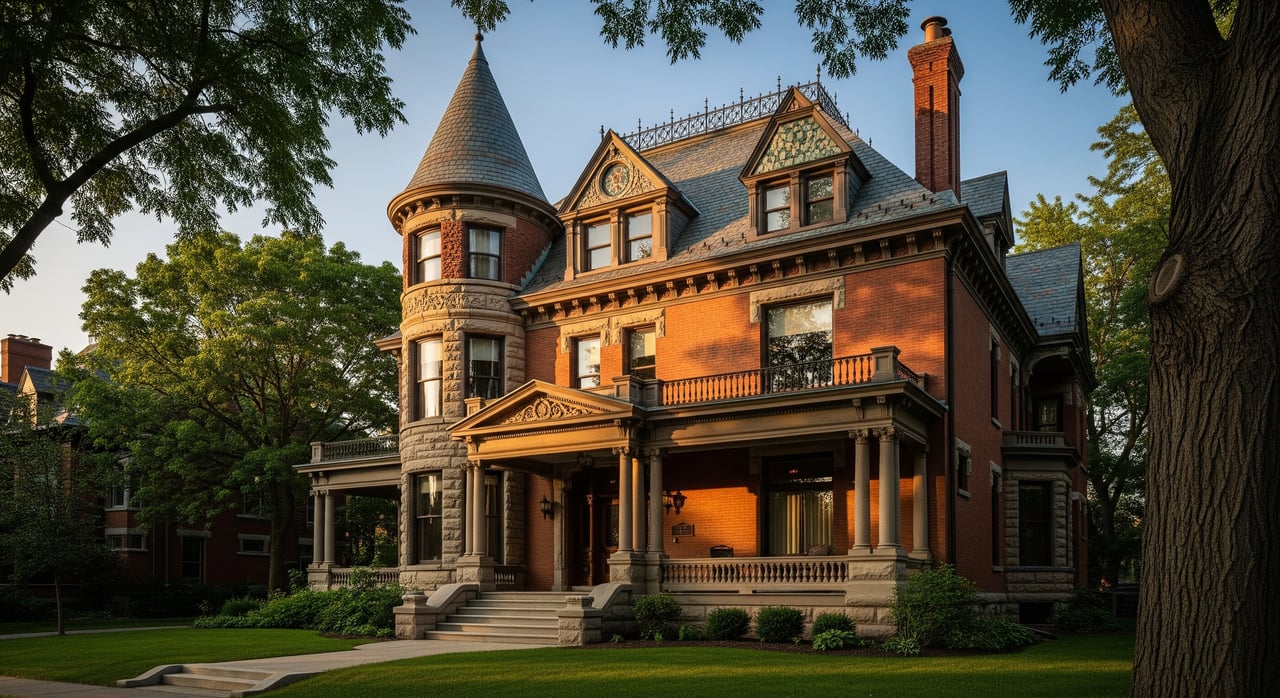
Falling for a Summit Avenue Victorian or an Irvine Park Italianate is easy. Decoding the jargon that comes with historic homes in Saint Paul can feel anything but. If you are buying or selling, understanding the terms, approvals, and incentives saves time, reduces risk, and protects value. This guide translates the essentials so you can move forward with clarity. Let’s dive in.
Why historic designations matter in Saint Paul
Saint Paul’s preservation framework operates at three levels: federal, state, and local. Each level serves a different purpose, and only some affect what you can change on a home.
Federal vs. state vs. local
- Federal: The National Register of Historic Places is an honorary federal listing that recognizes significance. It typically does not restrict private owners using private funds. It does trigger review if federal money or permits are involved. Learn more about the program on the National Park Service’s overview of the National Register of Historic Places.
- State: The Minnesota State Historic Preservation Office (SHPO) administers state review and guidance and coordinates with the National Park Service on certifications. Verify current state programs and rules through the Minnesota SHPO.
- Local: The City of Saint Paul can designate local historic districts and landmarks. Local designation is what most directly affects your day-to-day decisions, since exterior changes visible from public streets often require design review. Explore local process and resources via the City’s Heritage Preservation Commission.
What this means for your plans
- A National Register listing alone typically does not limit your private exterior changes.
- A local historic district or landmark in Saint Paul may require a Certificate of Appropriateness (COA) for exterior work like siding, window replacement, porch changes, additions, and demolition.
- Interiors are generally not regulated by local designation, but verify the specifics before you schedule work.
Key terms you will see
Designation and process
- Historic district: An area with a concentration of historically or architecturally significant properties.
- Landmark: A single property recognized for historic significance.
- Period of significance: The years when a property or district gained its historic importance.
- Contributing vs. non-contributing: A contributing property adds to a district’s character, typically because it was built within the period of significance and retains integrity. Non-contributing properties do not.
- Certificate of Appropriateness (COA): Local approval often required for exterior work within a designated area.
- Demolition delay: A locally defined waiting and review period before a historic structure can be demolished.
- Preservation easement: A voluntary legal agreement, recorded on the deed, that protects specified historic features. Learn how easements work from the National Trust’s overview of preservation easements.
- Secretary of the Interior’s Standards for Rehabilitation: Widely used guidelines for compatible rehabilitation. See the standards on the NPS site for Rehabilitation Standards.
Architectural features in Saint Paul homes
You will see these elements across neighborhoods like Cathedral Hill, Crocus Hill, and West 7th:
- Bay window: A projecting window unit that expands interior space and adds exterior articulation.
- Turret or tower: Vertical projection, often cylindrical and corner mounted, common on Queen Anne homes.
- Dormer: A windowed projection from a sloped roof.
- Transom and sidelights: Windows above and beside a door that bring light into entry halls.
- Cornice and eaves: Molding and overhang at the roof edge that help define style.
- Bracket: A support element under eaves or overhangs, often decorative on Victorian or Italianate homes.
- Siding types: Clapboard, shiplap, shingle, stucco, and masonry. Replacement material choices affect historic integrity and approvals.
- Gingerbread: Spindlework or scrollwork that adds decorative detail to porches and gables.
- Porch forms: Full-width and wraparound porches shape street presence and historic character.
- Roof types: Hipped, gable, and mansard roofs help identify styles like Second Empire.
Renovation vocabulary
- Rehabilitation: Repairing and updating a building for contemporary use while keeping historic features. Often used in incentive programs.
- Restoration: Returning a building to a specific appearance from its period of significance.
- Reconstruction: Recreating lost features or buildings based on documentation.
- Adaptive reuse: Converting a building for a new use while retaining important historic elements.
- In-kind repair: Replacing material with the same material and profile as the original.
- Character-defining features: Elements that give a property its historic identity. These are priority items to preserve.
- Period materials vs. modern substitutes: Choices like wood vs. vinyl or original single-pane glass vs. insulated units can affect integrity and permitting.
What rules affect your project?
In Saint Paul’s local historic districts, exterior changes visible from the street often require review. That can include window replacements, siding, porch work, additions, and demolition. The City’s Heritage Preservation Commission reviews applications for a COA and evaluates compatibility with the district’s character and the Secretary of the Interior’s Standards.
Before you plan a project, contact Saint Paul’s heritage preservation staff. Ask what is regulated on your specific property, what needs a COA, and how review timelines align with your schedule. If the property is also listed on the National Register and you plan to use incentives for an income-producing use, you will coordinate with Minnesota SHPO and the National Park Service.
Incentives, financing, and costs
- Federal Historic Tax Credit (HTC): A 20 percent income tax credit is available for certified rehabilitation of income-producing historic buildings, such as commercial or rental properties. Owner-occupied primary residences are not eligible. Projects must follow the Secretary of the Interior’s Standards and be certified through SHPO and the National Park Service.
- State programs: State incentives change over time. Confirm any Minnesota programs directly with the Minnesota SHPO before you underwrite a project.
- Local incentives: Cities sometimes offer tax abatement, low-interest loans, or small grants for compatible exterior work. Check with the City of Saint Paul for current options.
- Renovation mortgages: If you plan updates, consider national programs like the FHA 203(k) Rehabilitation Mortgage and Fannie Mae’s HomeStyle Renovation. Lender availability and rules vary.
Risks and due diligence for older homes
Older homes often come with environmental and systems considerations. Homes built before 1978 may contain lead-based paint. Some older materials can contain asbestos. Electrical, plumbing, and HVAC systems may need updating to meet current codes and insurance requirements. Specialty insurance or endorsements can help with replacement-cost coverage for unique materials and artisan features.
Buyer checklist for Saint Paul historic homes
- Confirm designation status. Check the National Register, Minnesota SHPO, and the City’s local district or landmark lists.
- Ask for COAs, permits, any recorded easements, and maintenance records.
- Schedule inspections that include electrical, plumbing, HVAC, and request lead or asbestos assessments when age suggests risk.
- If you plan changes, discuss scope early with Saint Paul heritage preservation staff so you understand likely approvals and timelines.
- Explore renovation financing and any incentives if the property will be income producing.
Seller checklist: preparing and positioning
- Disclose designation status and any preservation easements or restrictions.
- Compile documentation of repairs, COAs, permits, and professional assessments to streamline buyer review.
- Consider period-sensitive maintenance, such as porch repair or appropriate paint, to enhance marketability. Secure required approvals first.
- Be ready to explain what local rules regulate. Interiors are typically not regulated by local designation.
Value and resale considerations
Historic character can be a powerful selling point. Buyers value authenticity, quality craftsmanship, and neighborhood stability. Well-documented, period-appropriate work often supports value, while incompatible alterations can reduce appeal and complicate future approvals. If you anticipate renovations, build time for permitting and bids from contractors experienced with historic materials and the Secretary of the Interior’s Standards.
How to verify a property’s status
- Start with the National Park Service’s overview of the National Register of Historic Places to understand listing basics, then request nomination forms as needed.
- Confirm state-level context with the Minnesota SHPO, which can guide you to files and current programs.
- Verify local designation, COA requirements, and procedures through Saint Paul’s Heritage Preservation Commission.
- Review ownership history, legal descriptions, and recorded documents through Ramsey County property records, including any preservation easements.
- For technical standards during design, reference the NPS Rehabilitation Standards and consult relevant NPS technical briefs.
Ready to buy or sell a Saint Paul classic?
Your best outcomes come from clarity, preparation, and design-forward presentation. Whether you are evaluating a Crocus Hill Queen Anne or listing a Cathedral Hill rowhouse, a focused plan will protect character and value while keeping the process efficient. Begin your curated real estate experience with Unknown Company and move forward with confidence.
FAQs
What is the difference between National Register and local designation in Saint Paul?
- National Register listing is honorary and typically does not restrict private work, while local designation can require a Certificate of Appropriateness for exterior changes.
How do I tell if a home is contributing or non-contributing in a Saint Paul district?
- Check the district’s inventory or nomination documents to see if the property falls within the period of significance and retains integrity, then verify with City preservation staff.
Do I need a Certificate of Appropriateness to replace windows in a Saint Paul historic district?
- Window replacement visible from the street often requires a COA, so confirm scope and standards with the City’s Heritage Preservation staff before ordering units.
Can I use historic tax credits for my owner-occupied house in Saint Paul?
- The federal Historic Tax Credit applies to income-producing historic buildings, not owner-occupied primary residences; verify any state incentives with Minnesota SHPO.
What inspections should I order for an older Saint Paul or Ramsey County home?
- In addition to a general inspection, budget for electrical, plumbing, and HVAC evaluations and request lead-based paint and asbestos assessments when age indicates risk.
What is a preservation easement and how does it affect resale?
- A preservation easement is a deeded agreement that protects specific historic features and can influence future exterior changes, so disclose it and share documentation with buyers.