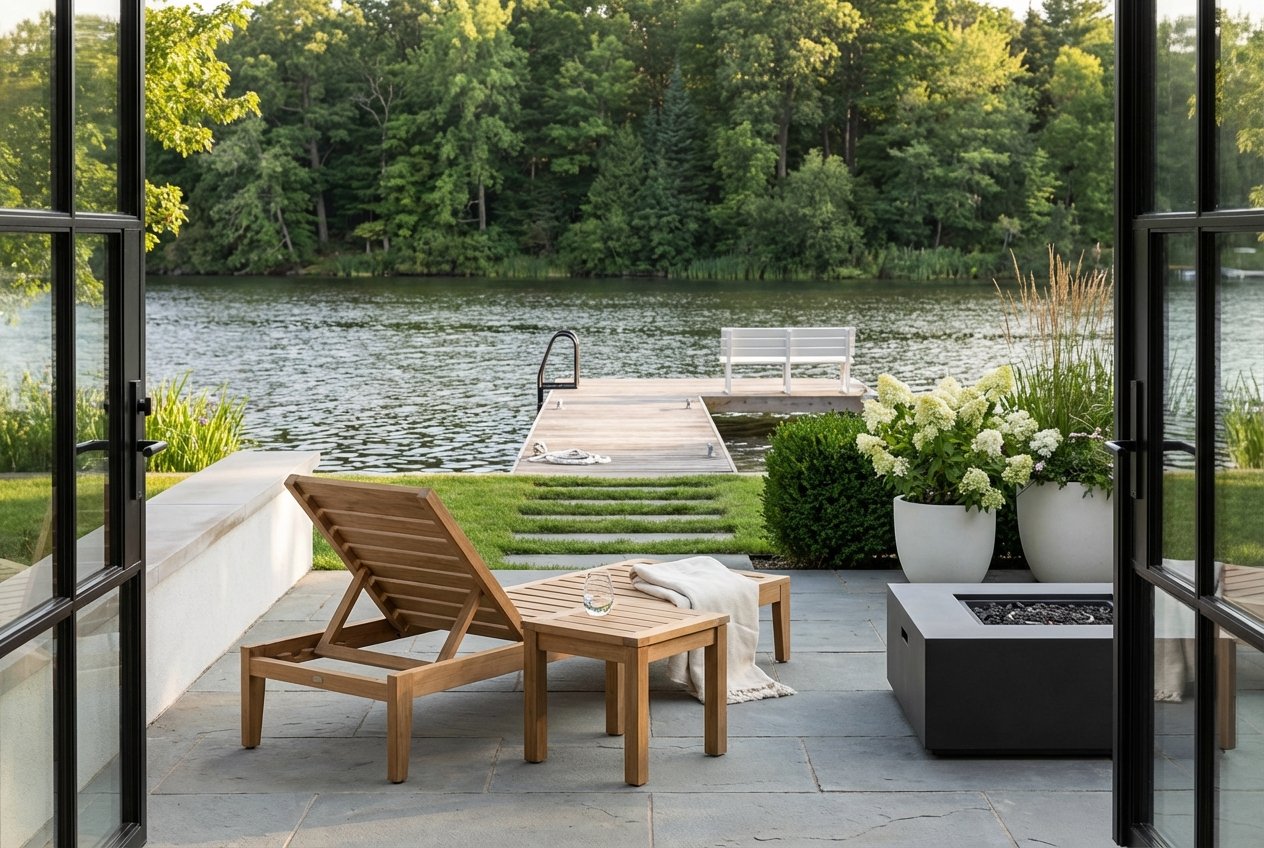
Is your Lake Minnetonka shoreline home ready to win over the right buyer this season? Waterfront sales here hinge on details like dock rights, shoreline condition, and a turnkey outdoor lifestyle. Permits, inspections, and presentation all play a role in price and days on market. In this guide, you’ll learn exactly how to prepare, what to document, and how to market your property for maximum impact. Let’s dive in.
Know your market timeline
Lake Minnetonka is a seasonal market. Buyer energy and visual appeal peak in spring and early summer when people picture time on the water. According to a national analysis, the strongest listing exposure often lands in mid April, with many sellers targeting a spring launch. Realtor.com’s research supports planning for that window.
Give yourself 4 to 12 weeks to prepare. That allows time for dock and shoreline inspections, staging, and media capture when the property and lake look their best. If you plan to list before peak season, gather summer imagery now so buyers can see the lifestyle regardless of month.
Local market snapshots show Lake Minnetonka’s waterfront segment trading in the multi million range. For example, one market roundup reported a median waterfront sale price of $2,004,473 year to date in August 2024. Always date figures and confirm current MLS metrics before you price.
Secure permits and proof before you list
Waterfront value on Minnetonka is tied to permits and compliance. Buyers and lenders ask for documentation early, and having it ready reduces friction.
LMCD dock and mooring compliance
The Lake Minnetonka Conservation District regulates docks, moorings, and over water structures, including permitted lengths and density rules. Collect any approved site plans, permits, and measurements for your specific frontage. Share these with buyers so they understand what is authorized. Review the LMCD lakeshore owner guidance.
Minnesota DNR public waters rules
The Minnesota DNR sets baseline rules for docks and shoreline work in public waters. Many seasonal, removable docks do not require a DNR permit if they remain within the DNR’s size and configuration limits. Permanent pilings or projects that alter the lakebed typically do. Verify whether past work required and received a permit. Start with the DNR’s page on docks and access in public waters.
City and county shoreland standards
Cities around the lake may apply stricter shoreland and stormwater rules than the state. Some municipalities also require time of sale inspections for sewer or septic. Requirements vary by city, so check local planning and building pages early. For example, Minnetonka Beach publishes local dock guidance for residents on its city website.
AIS status and watercraft protocols
Hennepin County funds aquatic invasive species prevention, inspections, and decontamination. Keep records if your dock, lift, or boats have moved between water bodies. Be prepared to discuss local AIS efforts with buyers. Learn more about county programs and inspection resources through Hennepin County’s AIS page.
Why permits and records drive value
Unpermitted docks or shoreline work often reduce buyer confidence, slow underwriting, and can trigger repair escrows. Providing LMCD and DNR records, surveys, and municipal approvals upfront preserves price and shortens timelines.
Tackle high impact repairs first
Address safety, function, and clarity before cosmetic projects. These items reassure buyers and protect value.
- Dock and boathouse safety. Have a qualified professional check floating sections, pilings, fasteners, electrical, and lifts. Repair any issues and document outcomes. If replacement is likely, obtain written estimates you can share with buyers.
- Shoreline stabilization. Inspect riprap or seawalls for movement, voids, or drainage concerns. If you completed work, organize permits and engineer reports. Buyers recognize these are high cost elements and appreciate clear documentation.
- Septic and well documentation. Where applicable, secure a current septic compliance check and well disclosure or water test. Some cities require time of sale verification, and proactive records reduce renegotiations later.
Present the shoreline lifestyle
Buyers choose Minnetonka for the water. Frame that story with clean lines, safe access, and thoughtful landscaping.
Buffers and lake friendly landscaping
A defined native buffer with selective view corridors looks intentional, reduces erosion, and supports water quality. Local funding and civic projects have focused on shoreline restoration, like the state backed work around Wayzata Bay highlighted by the LCCMR project index. If you have invested in native plantings, label them and share your maintenance plan during showings.
If you maintain lawn near the shore, narrow it and add a crisp border to visually separate turf from the natural buffer. For ideas on balancing aesthetics with ecology, review regional guidance on lakefront landscaping practices from local professionals such as KG Landscape’s overview.
Safe, simple access
Keep paths, steps, and dock approaches clear and well lit. Remove clutter around the shoreline and store watercraft neatly. Present compliant, easy access that feels ready for summer weekends.
Stage for a view first experience
Staging gives buyers a clear read on scale and lifestyle. The National Association of REALTORS reports that staging can reduce time on market and influence offers in many listings. Review findings in the NAR home staging report.
- Focus on rooms that sell the view. Stage the main living spaces and the primary bedroom so the lake is the star. Use low profile furnishings and neutral palettes to keep sightlines open.
- Create outdoor vignettes. Show an inviting dining terrace, a tidy fire pit zone, and a simple lounge setup at the dock approach. Keep safety clearances and walkways open.
- Edit and depersonalize. Remove bulky pieces, store family photos, and streamline accessories. Aim for bright, calm, and uncluttered.
Invest in magazine grade media
Great media is non negotiable at the lake. It drives qualified traffic and elevates perceived value.
- High resolution interiors that frame the view from key rooms.
- Twilight exteriors that showcase glow, landscape lighting, and reflections on the water.
- Licensed drone aerials to show shoreline, lot lines where allowed, and proximity to marinas or downtowns. Review safety and policy basics in NAR’s drone guidance, and use an FAA licensed pilot.
- Short lifestyle video with a safe, permitted boat approach sequence when conditions allow.
Time your shoot for peak foliage and fair weather. If you must list in shoulder seasons, supplement with summer imagery captured in advance so buyers can see the waterfront at its best.
Price and market like a luxury asset
Minnetonka is not one size fits all. Price and strategy should reflect the specific shoreline experience you offer.
What to weigh when pricing
Treat these as material comparables adjustments and document them for buyers:
- Direct, private frontage versus shared or deeded access.
- Quality and capacity of the dock or boathouse, including permitted length and the number of slips allowed under LMCD rules. See the LMCD lakeshore owner guidance.
- Shoreline protection type and condition, including riprap, seawall, or naturalized buffer with permits.
- Year round access, road conditions, and utility context.
Strategy for ultra luxury estates
One of one lake estates often command longer timelines and a smaller buyer pool. A bespoke plan that emphasizes turnkey permitted docks, complete outdoor amenities, and lifestyle media can justify a marketing premium. For context on this niche, see recent coverage of top tier Minnetonka listings in the Wall Street Journal.
Channels that reach real buyers
Use a layered approach: MLS exposure, targeted luxury networks, high end print, curated email to boating and marina circles, and paid social video that features the shoreline. Consider an outdoor twilight event or broker open during prime season. If you plan on water arrivals, coordinate logistics with neighbors and review lake activity and access updates on the LMCD water page.
Be negotiation ready with documents
A clean, complete file signals quality and protects your price. Gather these items before you go live:
- LMCD permits, site plan, and any dock or boathouse compliance records. Reference the LMCD lakeshore owner guidance.
- Minnesota DNR documentation: Public Waters Work Permit copies, or a note stating your dock meets the DNR’s small dock thresholds. Review the DNR docks and access overview.
- An OHWL or current boundary survey that shows legal frontage and the authorized dock use area.
- Dock and boathouse structural inspection with any repair invoices or estimates.
- Shoreline stabilization reports, plus municipal or engineer permits if work was completed.
- Septic compliance and well testing or disclosure records where applicable.
- AIS notes or decontamination history if equipment has moved between lakes. See Hennepin County’s AIS resources.
- Any HOA documents, recorded dock licenses, easements, covenants, or shared docking agreements.
- A recent property condition or pre listing inspection to reduce surprise items.
When to start and how we help
If you are aiming for a spring launch, start now. Confirm permits, complete priority repairs, and capture seasonal media early. Pair that prep with a pricing strategy that highlights your frontage, dock capacity, and outdoor amenities.
Hays + Baker Real Estate delivers a curated, white glove listing experience for Lake Minnetonka sellers. Our team blends rigorous permit and documentation prep with design forward staging, magazine level media, and targeted outreach through Sotheby’s global network. We coordinate discreet broker events, negotiate directly and clearly, and protect your timeline and privacy from first consult to closing.
Ready to position your shoreline home for its best result? Begin with a focused conversation. Hays + Baker Real Estate.
FAQs
Are my Lake Minnetonka dock and slips legal and transferable?
- Confirm LMCD permits and any recorded dock licenses, then include them in your listing packet to give buyers confidence; see the LMCD lakeshore owner guidance.
What should I share about aquatic invasive species when selling on Lake Minnetonka?
- Provide any decontamination or dry time records for equipment moved between water bodies and reference local inspection programs through Hennepin County’s AIS page.
Do I need a Minnesota DNR permit for my dock or shoreline work?
- Many seasonal, removable docks do not need a DNR permit if they meet size and configuration limits; permanent pilings or lakebed alterations typically do; review the DNR docks and access guidance.
How do flood zones and insurance affect a Lake Minnetonka sale?
- Check your property’s flood status early and share it with buyers since lenders and insurers ask during underwriting; start with FEMA’s training resource on floodplain basics here.
When is the best season to list a Lake Minnetonka waterfront home?
- Spring and early summer typically offer peak buyer demand and visual appeal, with national research pointing to mid April as a strong exposure week; see Realtor.com’s analysis.