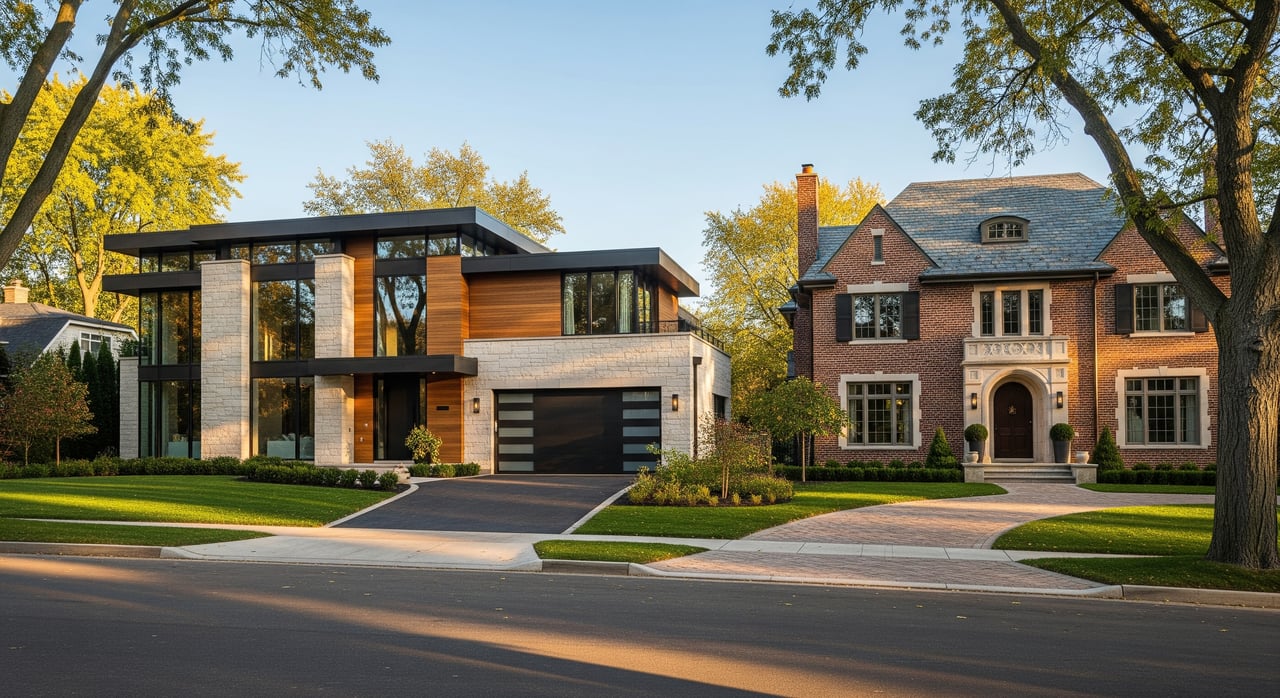
Are you torn between a brand‑new build and the charm of an established home in Edina? You are not alone. With limited vacant land and a mix of classic neighborhoods and modern infill, your choice shapes everything from budget and timeline to energy costs and resale. This guide breaks down what new construction and existing homes really mean in Edina, how financing and inspections differ, and how to weigh resale and neighborhood fit so you can move forward with confidence. Let’s dive in.
New construction in Edina
New construction in Edina often means infill. Builders frequently purchase older properties, remove the existing structure, and deliver a new single‑family home on the same lot. You also see semi‑custom or custom homes and smaller attached projects, along with occasional mixed‑use or condo options in targeted redevelopment areas.
Because Edina is mostly built out, large greenfield subdivisions are uncommon. New homes tend to cluster near redevelopment corridors and commercial nodes, such as areas around 50th & France, rather than in wide‑open new tracts. Expect a range of builders, from production teams with defined plan sets to fully custom firms that tailor floor plans and finishes.
If you are seeking a move‑in ready home with modern systems, a new build can be appealing. If you value mature trees, established streetscapes, or a specific neighborhood location, the existing home market offers depth and variety.
Costs and financing
New homes in Edina typically carry a premium, reflecting modern finishes, energy performance, and a perceived low‑maintenance start. Lot scarcity for infill can add to the price. Existing homes can provide a lower entry point, but plan for renovations or system updates that affect your true cost of ownership.
Consider both upfront and ongoing costs:
- Upfront: New builds usually mean a higher purchase price and fewer immediate repairs. Existing homes may cost less to buy, but you might face near‑term projects such as roof, mechanicals, or cosmetic updates.
- Ongoing: Newer homes often deliver lower energy use due to modern insulation, windows, and HVAC. Your actual savings depend on the home’s systems and how you live in the space.
- Insurance: New homes can be less expensive to insure at the outset because of new systems and lower initial risk. Confirm quotes with your insurer.
Financing also differs by scenario:
- Completed new builds: If the home is finished and conveyed in a standard sale, you can use a conventional mortgage similar to an existing‑home purchase.
- Custom builds: Many buyers use construction or construction‑to‑permanent loans. These include an interest‑only draw period during construction and convert to a standard mortgage at completion.
- Lot and bridge loans: If you secure a lot first or pursue a tear‑down, you may use a lot loan or short‑term bridge financing.
- Appraisals: New construction appraisals can be challenging when there are few similar recent sales nearby. Lenders may request builder cost breakdowns and adjustments for amenities and location.
- Incentives: Minnesota Housing programs and utility rebates can help with affordability on energy‑efficient features. Check current offerings as they change over time.
Inspections and due diligence
Even new builds benefit from independent inspections. The City of Edina completes required code inspections and issues a certificate of occupancy, but a private inspector can help you catch items that affect comfort and long‑term performance.
For new construction, consider milestone inspections: pre‑drywall, mechanical rough‑in, and final walkthrough. This documentation supports any warranty claims and ensures that key building details were completed as planned.
For existing homes, plan a general home inspection and add specialty checks as needed, such as radon, sewer scope, roof, electrical, or HVAC evaluations. In many transactions, inspection results drive negotiations for repairs or concessions that protect your budget.
Energy and maintenance in Minnesota’s climate
Minnesota’s State Building Code and energy code apply to new construction. Many new Edina homes feature higher‑performance insulation, air sealing, efficient windows, and modern HVAC, including high‑efficiency furnaces, sealed combustion appliances, heat pumps, and dedicated ventilation like ERVs or HRVs.
These upgrades can improve comfort and reduce energy costs during long winters and humid summers. Ask about building details that matter in our climate, such as air barrier continuity, foundation and perimeter insulation, and balanced ventilation. Utility providers, including Xcel Energy, often offer rebates for efficient equipment and insulation. Confirm current program details before you buy or remodel.
Maintenance needs also differ. New homes typically have lower near‑term maintenance but may require attention to landscaping establishment, minor settlement, and builder punch‑list items. Existing homes vary widely. Plan for lifecycle replacements on mechanicals, roofs, siding, and older materials, and ask for permits and service records for past work.
Zoning and neighborhood fit
Edina has clear rules for permits, zoning, stormwater management, and tree preservation, especially for infill and tear‑downs. Some areas may have design preferences or overlay guidance that shape height, setbacks, and exterior character. Confirm what applies to a specific lot through the City of Edina Planning and Development process before you commit.
Property taxes and assessments can change with new construction. Hennepin County reassesses improved properties, and some projects include special assessments for infrastructure. Verify water and sewer connections, any tap fees, and responsibilities for lateral work.
Location still drives long‑term value. Proximity to parks, commuter routes, and commercial amenities, including 50th & France and other shopping corridors, influences demand and convenience. Edina Public Schools attendance boundaries are important to many buyers, so confirm current assignments directly with the district when evaluating addresses.
Resale outlook
New homes tend to appeal to buyers seeking modern layouts, energy performance, and lower initial maintenance. Resale strength depends on the home’s fit within the neighborhood, the quality of construction, and how thoughtfully the design relates to adjacent properties.
Existing homes can command strong resale when they align with neighborhood character and offer established landscaping. Thoughtful renovations that respect the scale and style of nearby homes typically preserve marketability. If your area has seen multiple tear‑downs, price strategy should account for buyer comparisons to new inventory, including price per square foot and lot premiums.
For sellers of unique new builds, the appraisal process may require additional documentation, such as recent comparable sales in nearby communities and itemized construction costs. Preparation is key to supporting your price.
Decision framework
When you compare new construction and existing homes in Edina, use a simple framework:
- Priorities: Do you value customization and modern systems, or established streetscapes and location choice?
- Total cost: Balance purchase price with expected renovation, maintenance, insurance, and energy use over 5 to 10 years.
- Timeline: Are you ready to build with a months‑long schedule, or do you need a home in a shorter window?
- Financing: Will a conventional mortgage suffice, or do you need construction, lot, or bridge financing?
- Risk profile: Are you comfortable managing selections, inspections, and potential delays, or do you prefer a finished home with known condition?
- Resale: How does the home align with neighborhood context, and what will future buyers value at this address?
Notes for sellers
If you own an older Edina home, it can be smart to compare selling as‑is with exploring redevelopment.
- Feasibility: Model net proceeds from a standard listing versus a tear‑down and rebuild path. Include demolition costs, permit timelines, holding costs, and resale assumptions.
- Zoning: Confirm setbacks, height, and floor‑area limits, plus stormwater and tree preservation requirements that affect design and budget.
- Market position: If nearby new builds are common, highlight your property’s strengths, such as lot size, mature canopy, recent mechanical updates, or high‑quality renovations.
- Team: Engage early with an experienced agent, local builders, and inspectors to scope options and timing.
Your next step
Choosing between new and existing in Edina is not one‑size‑fits‑all. The right move balances design, location, cost, and timeline within the realities of infill development and neighborhood context. If you want a clear, curated path from shortlist to closing, our team can help you compare properties, vet builders, coordinate inspections, evaluate energy and maintenance costs, and align financing with your plan.
Begin your search or sale with a conversation. Connect with Hays + Baker Real Estate for discreet, design‑forward guidance tailored to Edina and the west metro.
FAQs
What is the difference between buying a completed new‑construction home in Edina and commissioning a custom build?
- A completed new build uses a standard mortgage and immediate occupancy, while a custom build typically uses a construction or construction‑to‑permanent loan with a build timeline and milestone inspections.
How do appraisals work for new construction in Edina’s infill neighborhoods?
- Appraisers may have limited comparable sales, so lenders often request builder cost details and adjustments for amenities and location to support value.
What inspections should you order for an older Edina home?
- Start with a general inspection, then add radon testing, sewer scope, roof and HVAC evaluations, and electrical reviews, plus permit and service record checks.
How do new‑home warranties typically work in Minnesota?
- Many builders offer a combination of workmanship, systems, and structural coverage with varying durations; always request written terms and claim procedures.
How can a tear‑down in Edina affect taxes and timelines?
- New construction is reassessed by Hennepin County and may involve additional permitting steps, stormwater requirements, and tree preservation, which influence timelines and costs.
Do energy‑efficient features meaningfully reduce costs in Minnesota’s climate?
- High‑performance insulation, air sealing, efficient HVAC, and balanced ventilation can lower energy use and improve comfort, and utility rebates may offset upgrade costs.
Can buying new construction change your Edina Public Schools assignment?
- School district boundaries are set by the district, so confirm the attendance area for the specific address; new versus existing status does not change boundaries.