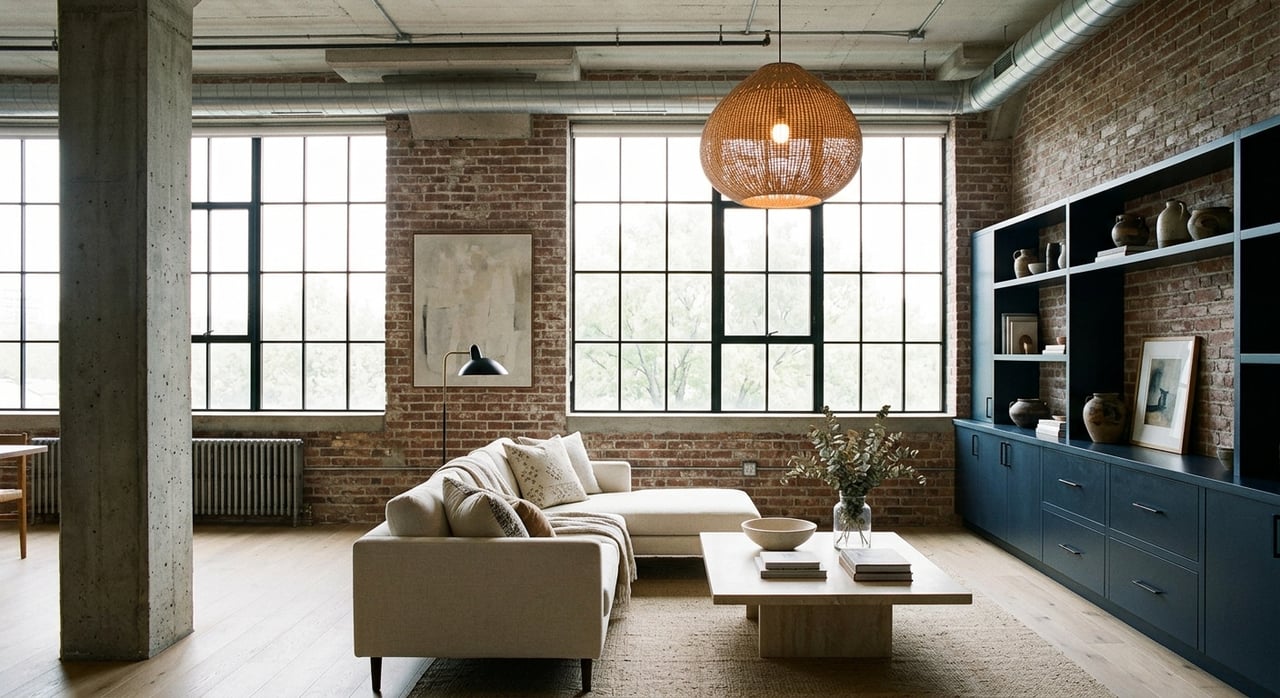
Are you torn between the energy of a Minneapolis luxury loft and the privacy of a high-end single-family home? It is a common decision for buyers who want more than square footage alone. Your choice often comes down to how you want to live day to day, from maintenance and amenities to outdoor access and autonomy. If you are weighing both options in Minneapolis, this guide will help you compare them with more clarity. Let’s dive in.
Minneapolis luxury living starts with setting
In Minneapolis, luxury housing often falls into two very different environments. On one side, you have lofts and condo residences in North Loop and nearby downtown areas, often in warehouse conversions or newer mixed-use buildings. On the other, you have single-family homes in lake- and park-adjacent neighborhoods such as East Isles, Lowry Hill, Lowry Hill East, and Kenwood.
That difference matters because the setting shapes your daily experience. A loft can place you closer to a walkable urban routine and shared amenities. A single-family home often gives you more control over your property and closer access to lakes, trails, and residential streetscapes.
Why Minneapolis lofts appeal
North Loop offers historic urban character
The City of Minneapolis describes North Loop as a mixed-use district with historic warehouse buildings converted to residential and commercial uses, alongside newer construction that respects the area’s character. The neighborhood plan also frames it as a gateway to the riverfront, with a mix of shops, restaurants, housing, and recreation.
For many buyers, that creates a distinct kind of luxury. You are not just buying interior space. You are buying into a neighborhood experience shaped by historic architecture, proximity to downtown, and a more connected urban lifestyle.
Loft amenities can simplify daily life
Current loft-style buildings in Minneapolis show what many buyers now expect. Features in local examples include exposed brick or concrete, expansive windows, lofted ceilings, rooftop spaces, controlled access, fitness areas, clubrooms, package rooms, garage parking, bike storage, EV charging, and even concierge-style support in some buildings.
If you value convenience, this can be a major draw. Shared amenities can reduce the need to maintain those features yourself, while also giving you access to spaces that may be difficult to replicate in a detached home near the urban core.
Loft ownership comes with shared responsibility
The tradeoff is ownership structure. According to the Minnesota Department of Commerce, common-interest communities share responsibility for common elements such as roofs, landscaping, hallways, and amenities. Associations collect dues, maintain common areas, and may levy special assessments for major repairs or emergencies.
That means a loft may feel more low-touch in some ways, but it is not fully hands-off. You are typically exchanging some control for convenience, building services, and association-managed upkeep.
Why single-family homes appeal
West-side neighborhoods offer a different kind of luxury
High-end single-family living in Minneapolis tends to show up in neighborhoods tied to the Chain of Lakes and major parks. City and park sources describe East Isles, Lowry Hill, Lowry Hill East, and Kenwood as historic residential areas with strong links to nearby lakes, parkways, and long-established streetscapes.
This version of luxury is often less about shared building amenities and more about setting, lot control, and architectural presence. In East Isles, for example, the neighborhood profile notes a housing mix that includes single-family homes and that many residential structures were built before 1920. Lowry Hill East is described as a historic streetcar suburb with tree-lined streets and historic houses.
Outdoor access is a major lifestyle advantage
If being near parks and trails shapes how you want to live, single-family neighborhoods have a strong case. The Minneapolis Chain of Lakes Regional Park includes 15 miles of lakeside pedestrian and bike trails, and the Park Board says its citywide paved trail system includes 51 miles around lakes and parkways.
Specific parks also add to the appeal. Bde Maka Ska Park includes a beach, biking path, boat dock, and fishing pier. Lake of the Isles Park includes biking, walking, ice skating, hockey, and fishing amenities. If your ideal routine includes morning walks, weekend rides, or quick access to the water, that can weigh heavily in favor of a detached home nearby.
Single-family ownership gives you more autonomy
A detached home usually gives you more direct control over the structure and lot. You are not sharing hallways, elevators, or building systems in the same way you would in a loft or condo setting.
For some buyers, that autonomy is the point. If privacy, private outdoor space, and fewer shared elements rank high on your list, a single-family home may feel more aligned with how you want to live.
Compare the daily tradeoffs
Privacy and control
Lofts usually involve shared walls, common entries, elevators, and building-wide systems. Single-family homes generally offer more separation and more direct control over your environment.
If you want a lock-and-leave city base, the loft model may still work well. If you place a premium on privacy and independence, a detached home often has the edge.
Maintenance and responsibilities
Single-family ownership comes with more direct upkeep. The City of Minneapolis requires property owners to follow rules related to vehicles on private property, exterior maintenance, and snow and ice removal. For single-family homes and duplexes, sidewalks must be cleared within 24 hours after snowfall ends.
In a loft or condo setting, owners usually pay association dues so the HOA can maintain common areas and plan for long-term repairs. That can reduce your personal maintenance load, even though it adds recurring dues and shared governance.
Parking realities
Parking can feel very different depending on where you buy. Downtown and nearby buyers often deal with a more structured parking environment, with ramps, surface lots, metered spaces, and building garage arrangements.
Single-family homes may offer a private driveway or garage, but city rules still apply. Minneapolis requires permission for curb cuts and driveway changes, and each home can only have one driveway. In practice, detached homes may offer more direct parking control, while loft living often depends on building-specific parking access.
Amenities versus private space
Lofts tend to win on shared amenity density. Rooftop decks, fitness centers, lounges, controlled access, package rooms, bike storage, pools, and similar features are part of the urban luxury appeal.
Single-family homes usually win on private outdoor space and immediate neighborhood access to lakes, trails, and parkways. Your decision comes down to whether you value building amenities or private-use space more.
Which option fits your lifestyle?
A luxury loft may suit you if
- You want a more walkable urban setting near downtown
- You value shared amenities such as rooftop spaces, fitness rooms, or concierge-style support
- You prefer less day-to-day exterior maintenance
- You like historic warehouse character or modern loft-style design
A single-family home may suit you if
- You want more privacy and control over your property
- You prioritize proximity to lakes, parks, and trails
- You prefer private outdoor space over shared building amenities
- You are comfortable taking on more direct maintenance responsibilities
How to make the decision with confidence
The right choice is not just about budget or square footage. It is about how you want your home to support your routine, your privacy, and your long-term priorities. In Minneapolis, a luxury loft and a high-end single-family home can both be compelling, but they deliver very different experiences.
A thoughtful search starts by narrowing your priorities before you narrow your address list. If you know you want low-maintenance urban living, North Loop and similar downtown-adjacent options may rise to the top. If you are drawn to residential character, lot autonomy, and immediate access to the Chain of Lakes, neighborhoods such as East Isles, Lowry Hill, Lowry Hill East, and Kenwood may be the stronger fit.
When you are ready to compare Minneapolis lifestyle options with a more curated strategy, Hays + Baker Real Estate can help you evaluate the details that matter most.
FAQs
Should you choose a luxury loft or single-family home in Minneapolis for lower maintenance?
- A luxury loft often involves less day-to-day exterior maintenance because associations typically manage common areas, though you will usually pay dues and share in building costs.
What neighborhoods are known for luxury loft living in Minneapolis?
- North Loop and nearby downtown areas are closely associated with loft living, including warehouse conversions and newer mixed-use residential buildings.
What neighborhoods are known for high-end single-family homes in Minneapolis?
- East Isles, Lowry Hill, Lowry Hill East, and Kenwood are among the Minneapolis neighborhoods commonly tied to high-end single-family living near lakes and parks.
What amenities do luxury lofts in Minneapolis often include?
- Depending on the building, features can include expansive windows, lofted ceilings, rooftop decks, fitness centers, package rooms, controlled access, garage parking, bike storage, and EV charging.
What lifestyle benefits come with single-family living near Minneapolis lakes?
- Single-family living near the Chain of Lakes can offer more privacy, private outdoor space, and close access to trails, parks, and lake recreation.
What should you consider about HOA costs in a Minneapolis loft?
- In a loft or condo, the HOA typically collects dues for common-area maintenance and may also levy special assessments for major repairs or emergencies.