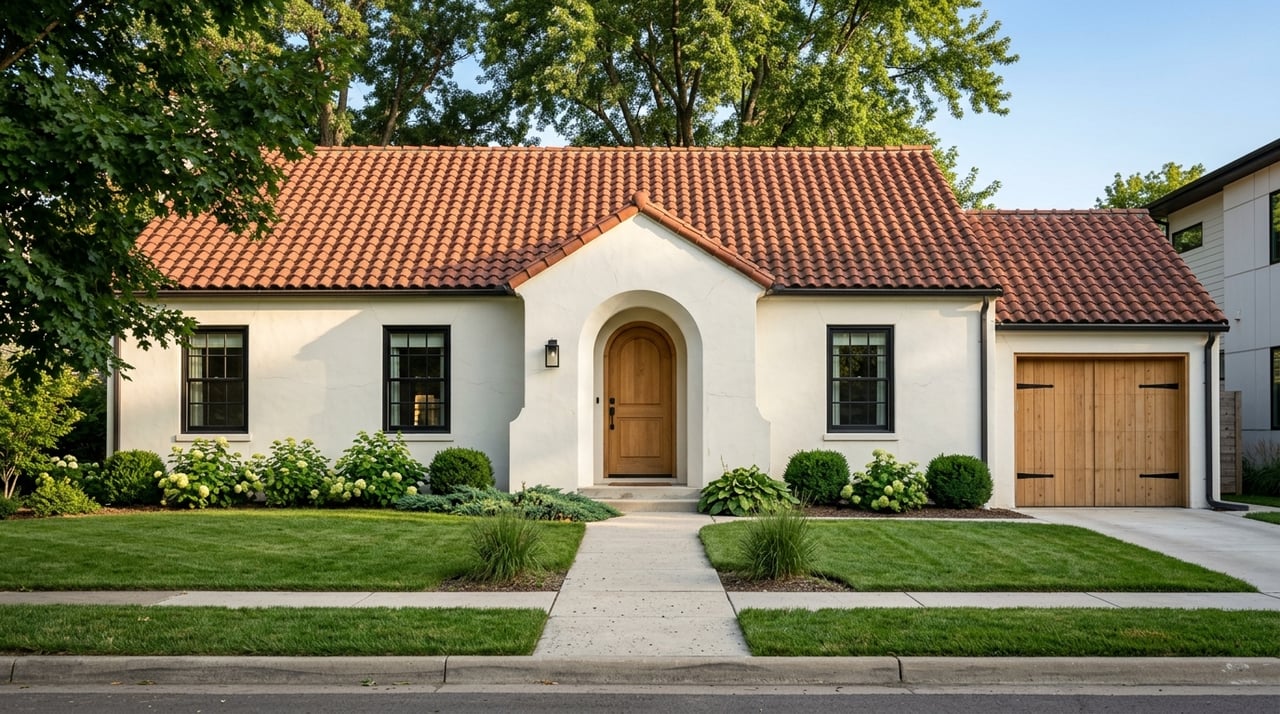
Choosing between a new build and a legacy home on Lake Minnetonka is rarely just about age. Around the lake, your decision often comes down to how you want to live, how much change you are comfortable managing, and what kind of property story feels right for you. If you are weighing a fresh rebuild against an established home with history and lot character, this guide will help you compare the tradeoffs with more clarity. Let’s dive in.
Why this choice is unique on Lake Minnetonka
Lake Minnetonka is not a market where new construction usually means rows of brand-new homes in a large subdivision. The lake spans more than 14,000 acres with over 100 miles of shoreline, and much of that shoreline is already built out. That means buyers are often comparing a teardown or infill rebuild on an existing parcel against a long-standing home in an established neighborhood.
This matters because the decision is shaped by more than style preferences. Shoreline regulation, local preservation tools, and lot-specific constraints can all influence what you can build, update, or maintain over time. In communities like Wayzata, Excelsior, Shorewood, Orono, and Minnetonka Beach, those details are part of the buying conversation from the start.
What counts as a new build here
On Lake Minnetonka, a “new build” often starts with an older property. In Orono, May 2024 permit activity showed 7 residential new-construction permits, along with 8 interior remodel or basement-finish permits and 14 reroof permits, which points to steady rebuild-and-refresh activity rather than broad greenfield development.
Wayzata shows a similar pattern. The city’s R-3A redevelopment study found 17 new homes built in the study area between 2019 and 2024, representing 31% of all single-family tear-downs and rebuilds in the city during that period. In other words, newer homes around the lake are often the result of redevelopment, not expansion into large vacant tracts.
What buyers often like about new builds
A recently built home can offer a simpler starting point if you want updated systems and fewer immediate project decisions. You may also prefer the cleaner lines, open layouts, and customization potential that come with a custom or semi-custom rebuild.
For some buyers, that ease is the main draw. Instead of planning a phased renovation, you can focus on move-in, furnishing, and enjoying the lake lifestyle. That can be especially appealing if you are relocating or want a more predictable near-term ownership experience.
What to watch with new builds
A newer home may sit on a parcel with the same shoreline rules and site limitations as the house it replaced. LMCD requires site-specific permits and measurements for docks and shoreline-related projects, and docks, structures, and watercraft must stay within an authorized Dock Use Area based on lot lines and shoreline length.
That means a new house does not automatically create more flexibility at the water’s edge. In some cases, redevelopment also trends toward maximizing building footprint, reducing front-yard setbacks, and shortening driveways, as Wayzata has noted in its redevelopment study. If lot openness, landscape maturity, or spacing matter to you, it is worth looking closely at how the home sits on the site.
What defines a legacy home
A legacy home on Lake Minnetonka usually offers something harder to recreate: established presence. That might mean mature trees, a setting shaped over decades, architectural detail, or a place within a historic lakeside pattern that connects to the area’s earlier resort and cottage history.
The Lake Minnetonka Historical Society notes that the region evolved from resort hotels to summer cottages and later to year-round homes. Many older cottages were torn down or retrofitted over time, which helps explain why existing homes that remain often feel rooted in their lots and landscapes in a way newer rebuilds may not.
Communities where legacy character stands out
Several Lake Minnetonka communities have formal ties to preservation or long-established village identity.
- Excelsior has a Heritage Preservation Commission that reviews certain exterior changes, demolition, and new construction for properties in the Downtown Historic District or on designated Heritage Preservation Sites.
- Wayzata describes itself as a historic lakeside village and continues to invest in both lakefront improvements and historic assets, including the rehabilitation of the Section Foreman House.
- Minnetonka Beach remains primarily residential and emphasizes a preserved village theme rooted in its late 19th-century history.
For buyers who value architectural character and a more established setting, these communities can hold strong appeal.
What buyers often like about legacy homes
Legacy homes tend to attract buyers who care about texture, proportion, and a sense of place. You may be drawn to mature landscaping, a setting that feels settled, or architectural elements that are difficult to duplicate in a full rebuild.
There is also an emotional dimension. Some buyers simply connect more with homes that feel layered and enduring rather than newly created. On Lake Minnetonka, that can be a meaningful part of the ownership experience.
The real tradeoff: flexibility versus character
For most buyers, this is the heart of the decision. A new build may offer fewer immediate update decisions and more contemporary planning, while a legacy home may offer stronger lot character and a more established feel.
Neither option is automatically better. The better fit depends on your tolerance for construction, your comfort with regulatory review, and how much you value historic context, mature landscaping, and original architectural identity.
Shoreline rules affect both paths
Whether you buy a newly rebuilt home or an older property, shoreline regulations remain central on Lake Minnetonka. LMCD guidance makes clear that shoreline-related work requires site plans, measurements, and permit review tied to the specific parcel.
Lake levels also fluctuate seasonally. LMCD warns that high water can damage shorelines, docks, and other structures, and watercraft may face reduced-speed or minimum-wake restrictions in regulated areas during high-water declarations. If your plans include dock use, shoreline improvements, or waterside entertaining, these practical details deserve close attention.
Older lots can come with added limits
Legacy properties sometimes look flexible at first glance because the lot is established and the home has been there for years. In practice, that is not always the case. Shorewood’s comprehensive plan states that shoreland areas are kept as natural as possible and that development is closely monitored for site alteration, hard-cover restrictions, and setbacks.
That type of framework can make additions, site work, and shoreline changes more constrained than buyers expect. In preservation-oriented areas like Excelsior and Wayzata, renovation flexibility may also be limited for designated sites or homes within a historic district.
How to decide which fit is right for you
If you are torn between the two, it helps to think less about “better” and more about alignment. Start with how you want the home to function in your daily life, then look at the parcel and local rules with the same care you give the kitchen or the view.
Ask yourself:
- Do you want a more recently built home with fewer near-term projects?
- Do you value mature trees, lot character, and architectural history?
- Are you comfortable with possible permitting and review for shoreline or exterior changes?
- Would you rather customize a newer shell or preserve and update an existing one over time?
- How important are dock layout, shoreline use, and outdoor lake access features to your decision?
These questions can quickly narrow the field.
A side-by-side Lake Minnetonka comparison
| Consideration | New Build | Legacy Home |
|---|---|---|
| Typical path | Teardown or infill rebuild on an existing lot | Long-standing home in an established neighborhood |
| Main appeal | Newer construction and fewer immediate update decisions | Character, mature setting, and architectural identity |
| Lot feel | Can prioritize footprint efficiency | Often more established in landscaping and siting |
| Regulation | Still subject to parcel-specific shoreline rules | May face shoreline and preservation constraints |
| Best for | Buyers seeking a more turnkey starting point | Buyers seeking historic feel and enduring presence |
Why local guidance matters here
On Lake Minnetonka, small property differences can have a big impact. Two homes with similar square footage may offer very different dock arrangements, review requirements, or future update paths based on municipality, lot lines, shoreline conditions, or preservation status.
That is why buyers benefit from guidance that goes beyond surface-level comparison. You want to understand not only what a home looks like today, but also what ownership may feel like in year one, year five, and beyond.
If you are comparing new builds and legacy homes around Wayzata, Orono, Shorewood, Minnetonka Beach, or nearby lake communities, a thoughtful local lens can help you weigh the details that matter most. When you are ready to explore your options with a more tailored strategy, Hays + Baker Real Estate can help you navigate Lake Minnetonka with clarity and care.
FAQs
What is considered new construction on Lake Minnetonka?
- In many Lake Minnetonka communities, new construction often means a teardown or infill rebuild on an existing parcel rather than a large new subdivision.
Are legacy homes on Lake Minnetonka harder to renovate?
- They can be, especially if the property is in a shoreland area or within a historic district or designated preservation site where exterior changes or demolition may require review.
Do Lake Minnetonka new builds still face shoreline rules?
- Yes. LMCD requires site-specific permits, plans, and measurements for many shoreline-related projects, and dock use must stay within the authorized Dock Use Area.
Which Lake Minnetonka communities are known for historic character?
- Excelsior, Wayzata, and Minnetonka Beach all have strong ties to historic identity, preservation, or long-established village character.
Is a new build always easier to own than a legacy home on Lake Minnetonka?
- Not always. A newer home may reduce near-term update needs, but both new and older properties can face lot-specific shoreline and municipal constraints.
How should you choose between a new build and a legacy home on Lake Minnetonka?
- Focus on fit: your comfort with construction and regulation, your interest in historic character, and how important lot maturity, shoreline use, and customization are to your lifestyle.