If you have been told “it’s a hot Lake Minnetonka market,” you are only hearing part of the story. The lake is a collection of distinct micro-markets shaped by shoreline, lifestyle, and product type, not one uniform market. When you understand the differences, you can price, position, and negotiate with confidence. This guide breaks down the core micro-markets, what drives value in each, and the practical steps you should take before you buy or list. Let’s dive in.
What a micro-market means here
On Lake Minnetonka, micro-markets form at the intersection of three factors: location around a downtown or harbor hub, product type, and lifestyle use. Wayzata or Excelsior feel very different from a private estate in Orono or a near-lake home in Shorewood. A condo with shared marina access does not behave like a large-lot lakefront with deep water and sunset views.
Thinking in micro-markets helps you set realistic expectations for pricing, timing, and competition. It also keeps your search focused. Once you identify your lifestyle priorities and property features, you can zero in on the communities and bays that fit.
Downtown and harbor nodes: Wayzata and Excelsior
Wayzata and Excelsior offer walkable cores with dining, retail, and marinas. Inventory tends to include condos, townhomes, and smaller single-family homes on modest lots. The appeal is simple: park once, enjoy the waterfront, and keep your dock or slip nearby.
Who this fits
- You want a walkable lifestyle with quick access to restaurants and the lake.
- You prefer attached homes or smaller lots that are easier to maintain.
- You value a short stroll to docks, marinas, and community events.
What to watch
- Product mix: more attached housing and select smaller-lot single-family options.
- Dock and slip specifics: confirm permitted dock configurations, slip availability, and any waitlists through the lake’s regulatory authority.
- HOA and rental rules: attached communities may restrict rentals, guest access, dock use, and pets.
Seller notes
- Lean into lifestyle storytelling and proximity to amenities.
- Time listings to show off the waterfront season. Spring and early summer capture the most foot traffic and buyer activity.
- Prepare clear disclosures about dock rights, shared easements, and any shoreline improvements.
High-end estate lakefront: Orono, Minnetonka Beach, Deephaven, Tonka Bay
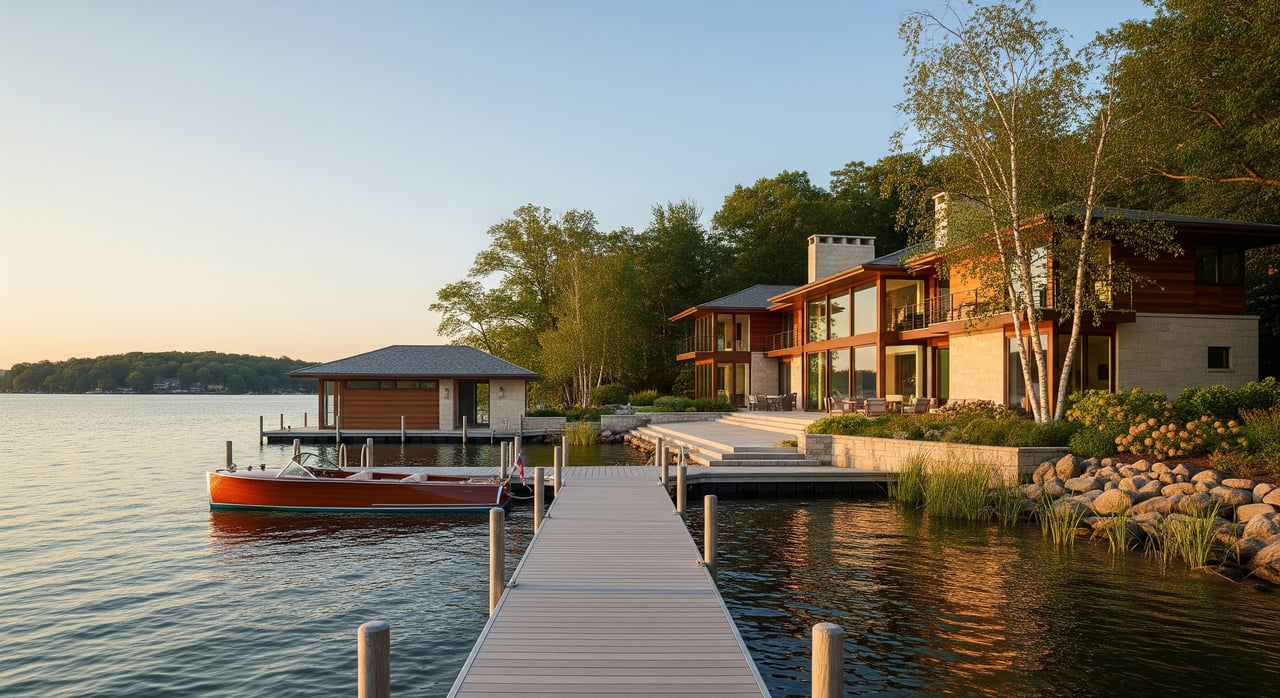
These communities feature larger lots, privacy, and high-quality frontage. Think deep water, expansive views, and the capacity for multiple lifts or larger boats. Inventory is limited and often listed with careful timing.
Who this fits
- You want privacy, space, and water depth suitable for serious boating.
- You value long shoreline, unobstructed views, and premium construction.
- You may be flexible on timing and willing to wait for the right property.
Value drivers to prioritize
- Shoreline length and quality, water depth off the dock, and access to open water.
- Orientation and views, including sunsets and sightline protection.
- Lot size, buildability, and the condition of bulkheads, seawalls, and boathouses.
Seller notes
- High-end buyers often shop year-round, but showcasing during boating season still helps.
- Provide documentation on shoreline work, permits, and dock specifications.
- Expect appraisal and comp selection to require nuance due to unique features and low turnover.
Near-lake single-family: Shorewood, Mound, Spring Park, parts of Minnetonka
Near-lake homes offer quick access to the water without full waterfront maintenance or pricing. You will see a mix of mid-century homes and newer construction, often with convenient access to schools, parks, and commuter routes.
Who this fits
- You want the lake lifestyle nearby, with more predictable upkeep.
- You prefer a detached home at a relative value compared to direct waterfront.
- You prioritize neighborhood conveniences and daily commute considerations.
Key tradeoffs
- Lower maintenance and more affordability compared with true waterfront, but no private shoreline.
- Verify access to public launches, community docks, or marina options.
- Consider future upgrades to maximize resale, such as modernizing kitchens and mechanicals.
Smaller-lot cottages and redevelopment zones
In pockets near Wayzata, Excelsior, and select bays, older seasonal cottages are being renovated or replaced. Buyers here seek modern lake living on smaller footprints, often with creative design solutions.
Who this fits
- You enjoy character homes or a design-forward rebuild.
- You want a lighter footprint with proximity to the lake.
- You are comfortable with zoning and permit due diligence.
Due diligence focus
- Shoreland setbacks and overlays regulate additions and new construction.
- Septic status and well water testing where applicable.
- Tree cover, slope, and floodplain or wetland constraints that affect buildability.
Condos and HOA waterfront complexes
Waterfront condos and communities with shared amenities draw downsizers and second-home buyers who value convenience. Expect grounds maintenance, shared docks or slips, and community facilities to be part of the package.
Who this fits
- You want lock-and-leave ease with lake access.
- You prefer predictable HOA management and maintenance.
- You appreciate structured amenities and community standards.
What to verify
- Dock assignment rules, guest access, and lift capacity.
- HOA covenants that may restrict rentals, design changes, and pets.
- Reserve studies, capital plans, and recent special assessments.
Islands and private-cove niches
Island living and secluded coves are scarce and unique. Logistics can include boat-only access, specific utility considerations, and specialized inspections. This is a niche with dedicated buyers who value the privacy and setting.
Practical realities
- Confirm utilities, access, emergency services, and winter considerations.
- Review building restrictions, shoreline stabilization, and any required permits.
- Factor in transportation for goods, guests, and service providers.
What drives value on Lake Minnetonka
Price is not uniform across the lake. Two homes a bay apart can behave differently due to frontage, depth, or access to open water. Keep your analysis anchored to the property’s specific features.
- Shoreline and frontage: length, quality, and shape influence usability and privacy.
- Water depth and navigation: depth off the dock, no-wake zones, and routes to main channels affect boating utility and enjoyment.
- Dock and lift capacity: boat house presence, lift size, and seawall condition matter.
- Views and orientation: sunset exposures and protected sightlines add premium.
- Lot and buildability: setbacks, buffers, trees, and slope drive what you can build or expand.
- Home condition: modern systems and year-round climate control increase appeal.
- Proximity to downtown nodes and schools: convenience supports demand patterns.
- Supply constraints: limited true waterfront listings meet strong lifestyle demand.
Seasonality and timing
Listing and sales activity typically peak in spring and early summer. Buyers want to test access, observe water conditions, and picture summer on the lake. That said, estate-level transactions can land anytime when the right opportunity appears.
Mortgage rates influence competition, especially for non-distressed properties. When rates rise, bidding pressure may ease in certain segments. Align your listing strategy to local cadence and rate environment, not just broad headlines.
Permits, inspections, and rules that matter
Lake Minnetonka has a dedicated regulatory body that oversees docks, buoys, boat speeds, and some shoreland activities. Before you buy or modify anything near the water, confirm the rules and permits you will need.
- Lake governance and docks: verify permitted dock configurations, any slip waitlists, and rules for lifts and seasonal structures with the lake authority.
- City shoreland zoning: each city around the lake manages setbacks, variances, and permits. Shoreland overlays and the ordinary high-water level influence new construction and additions.
- Septic, wells, and sewer: some parcels have municipal sewer, others rely on private septic systems. Inspections and certifications are common contingencies, and well water testing may be required.
- Floodplain, wetlands, and shoreline stabilization: regulated areas constrain development and often require approvals for alterations. Bulkhead, seawall, or dredging work may trigger permits at multiple levels.
Aquatic invasive species prevention programs affect marina operations and buyer expectations for boat transport, inspections, and maintenance. Short-term rental rules vary by municipality and by HOA, and many communities have specific registration or restrictions. Confirm before you market a property that way.
Practical transaction issues are common near the water. Appraisals can be challenging due to limited comps and unique features. Order surveys to verify property lines, riparian rights, and access easements. Engage marine and bulkhead specialists to assess docks, lifts, and shoreline structures. Review insurance early for water-related risks and potential premium differences.
Buyer next steps
- Define your lifestyle priorities: walkable harbor life, open-water boating, privacy, or low maintenance.
- Focus your search by micro-market: downtown nodes, estate lakefront, near-lake, cottages, condos, or islands.
- Verify dock rights and permits with the lake regulatory authority, and confirm slip options or waitlists.
- Check city shoreland rules for setbacks, variance feasibility, and building pathways.
- Order inspections specific to lake homes: septic and well where applicable, marine and shoreline assessments, and general home inspection.
- Map your navigation: depth off the dock, no-wake zones, and routes to main channels.
- Confirm district boundaries through official school district resources if that is part of your decision.
Seller next steps
- Time the market: target spring to early summer for maximum showing traffic, while staying ready for qualified off-season buyers.
- Prepare documentation: shoreline work history, dock specifications, permits, surveys, and any easements.
- Pre-inspect specialty items: septic compliance, shoreline structures, and mechanical systems.
- Elevate presentation: stage for views and outdoor flow, and schedule media when the lake shows at its best.
- Price by micro-market: analyze comps within your specific bay, frontage type, and product class rather than broad lake averages.
How Hays + Baker supports your outcome
Lake Minnetonka transactions reward precision. You need a team that understands each micro-market and how to position a property for the right audience. From estate shorelines to walkable harbor condos, you benefit from clear guidance, careful comp selection, design-forward presentation, and strong negotiation.
With a boutique, white-glove approach and deep local expertise, you receive strategy tailored to your goals. Expect deliberate preparation, transparent counsel, and marketing that tells the right story to qualified buyers. When the details of frontage, depth, orientation, and permits matter, experience makes the difference.
Ready to compare your options and move with clarity? Begin your curated real estate experience with Hays + Baker Real Estate.
FAQs
How do home prices vary across Lake Minnetonka communities?
- Prices vary widely by bay, frontage quality, product type, and proximity to downtown nodes. Review recent sold data for the specific community and property class you are targeting.
Is true waterfront better than a near-lake home on Lake Minnetonka?
- Waterfront provides exclusive access and views but commands a premium and more maintenance. Near-lake homes offer value and easier upkeep. Choose based on boating needs, privacy preferences, and budget.
What permits are required for docks and shoreline work on Lake Minnetonka?
- Multiple approvals may apply. Confirm rules with the lake’s regulatory authority and the local city building department before installing or altering docks, lifts, seawalls, or shoreline features.
Are there special inspections for Lake Minnetonka properties?
- Yes. Plan for septic and well evaluations where applicable, marine and shoreline assessments for docks and bulkheads, and a full home inspection.
How seasonal is the market around Lake Minnetonka, and when should I list?
- Buyer activity typically peaks in spring and early summer. Estate-level sales can close any time, but aligning marketing with boating season often improves engagement.
Can I use my Lake Minnetonka property as a short-term rental?
- It depends on city ordinances and HOA rules. Verify local regulations, HOA covenants, and insurance implications before marketing a property for short-term rental.