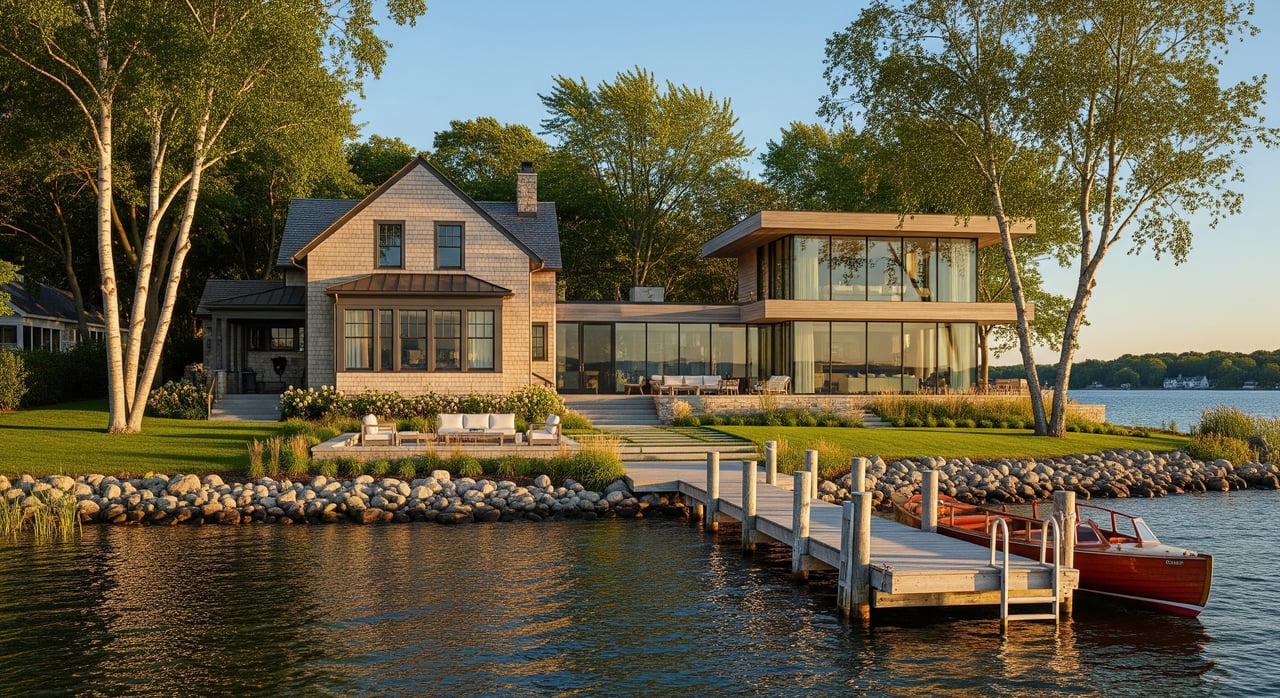
Which Lake Minnetonka shore fits the way you live day to day? If you are comparing Wayzata to Orono or Deephaven to Mound, the differences are real and they show up in your routines, your dock use, and even how you handle winter. You want a clear picture before you commit to a shoreline lifestyle. This guide breaks down what life feels like by shore type, what rules quietly shape ownership, and the tradeoffs to weigh so you can choose with confidence. Let’s dive in.
How shores shape daily life
Walkable downtowns: Wayzata and Excelsior
In these hubs, you step out your door and stroll to coffee, dinner, and the marina. Sidewalks, public docks, and a steady calendar of markets and concerts create a lively scene most of the year. You will find condos and townhomes by the water, historic houses on smaller lots, and luxury units with marina access. The public waterfront is active, which works well if you want a social rhythm with easy access to shops and restaurants.
Quiet bayside enclaves: Deephaven, Minnetonka Beach, Tonka Bay, parts of Orono
Here, life feels private and unhurried. Homes sit on larger, wooded parcels with long drives and mature trees, and evenings are calm. Many properties have private docks or boathouses for direct swimming and boating from the yard. If you value space, privacy, and a retreat setting while staying within reach of the city, this shore style fits.
Mixed suburban shores: Minnetonka, Mound, Spring Park, Shorewood
These stretches blend lakeside access with everyday suburban convenience. You will see classic cottages, mid‑century homes, and new infill on a range of lots, often at more approachable price points than prime waterfront. Neighborhood parks, community amenities, and varied walkability create a practical base for year‑round living. This setup suits buyers who want balance between lake recreation and day‑to‑day routines like schools, shopping, and parks.
Shared lake rhythms
Boating is central in spring through fall. You will see powerboats, pontoons, sailboats, fishing, and water sports throughout the bays. Summers bring festivals, fireworks, and regattas that attract both locals and visitors. Winters are quieter, with ice fishing and snow recreation adding a different type of lake activity.
Rules and logistics that matter
LMCD and city rules
Lake Minnetonka is managed across multiple cities, with the Lake Minnetonka Conservation District setting standards for docks, boathouses, mooring fields, and on‑water use. Local city shoreland ordinances also apply, and you need both in view before planning any shoreline work. Buyers should verify legal dock rights, permit status, and whether a slip or mooring conveys with the property. For aquatic invasive species requirements, Minnesota DNR guidance outlines inspections and best practices at public accesses.
Utilities, shoreline, and insurance
Parts of the lake are on municipal sewer while others rely on private septic systems. Septic history and capacity influence renovation options and permitting, so confirm records early. Shoreline stabilization varies from natural edges to riprap and seawalls, and permits may be required for erosion control work. Some parcels sit in FEMA flood zones or local setback areas, which can affect insurance and build plans, so ask for floodplain information during due diligence.
Access, parking, and winter care
Not every lot supports a full‑size dock or winter mooring, and some neighborhoods use shared or municipal mooring options. Driveway grades, tree cover, and shoreline exposure affect snow removal and winter safety. Boats and docks need winterizing, and certain bays see snowmobile and ice fishing traffic that changes seasonal patterns. Plan for storage and service providers well ahead of freeze and thaw.
Real estate implications and tradeoffs
Value drivers by shore style
Direct waterfront with a private dock commands a premium across the lake. In walkable hubs like Wayzata and Excelsior, proximity to downtown conveniences can be as valuable as dock access for certain buyers. In quieter bays, larger lots and privacy drive value. Condition matters everywhere, and issues like aging boathouses, failing seawalls, or older septic systems can shape negotiations as much as location.
Ownership costs to plan for
Recurring items often include dock and boathouse upkeep, shoreline stabilization, landscape and tree care, and property insurance that may require wind or flood riders. AIS management is part of boat ownership on regional lakes. Unexpected items can include shoreline erosion repair, septic replacement, or upgrades to meet current dock or city standards.
Buyer checklist for Lake Minnetonka
- Confirm legal dock rights, LMCD permits, and whether a slip or mooring transfers with sale.
- Verify sewer availability or septic condition and inspection history.
- Ask about shoreline work, erosion concerns, and any floodplain designation.
- Review local zoning or HOA rules for guest houses, boathouses, site coverage, and short‑term rental restrictions.
- Request disclosure of recent shoreline permits or code notices.
- Note public access levels nearby and typical seasonal activity.
- Check which school district serves the property and confirm boundaries with the district.
Which shore fits your lifestyle
If you want to walk to dinner and dockside events, focus on Wayzata and Excelsior. You will trade some privacy and larger lots for daily convenience and a lively waterfront. If you want quiet mornings, long views, and space to spread out, look to Deephaven, Minnetonka Beach, Tonka Bay, or select Orono bays. You will plan a bit more driving for errands, but gain privacy and direct yard‑to‑water living.
If you want a balanced suburban rhythm with lake perks, explore Minnetonka, Mound, Spring Park, and Shorewood. You will find varied housing styles, parks, and community amenities, with access to the water in select neighborhoods. The right fit comes down to how you want to live between May and October, and how you want winter to feel.
Ready to match a shore to your lifestyle and move forward with a focused plan? Connect with the local team that pairs market knowledge with staging and presentation that sells. Begin your search and strategy with Hays + Baker Real Estate.
FAQs
What makes Wayzata and Excelsior feel different from other shores on Lake Minnetonka?
- They offer walkable downtowns with dining, shops, public docks, and frequent events, which creates a lively, social waterfront compared with quieter bayside enclaves.
What is the Lake Minnetonka Conservation District and why does it matter to buyers?
- The LMCD regulates docks, boathouses, mooring fields, and many on‑water activities across the lake, so you should verify permits and rights before closing.
How do seasons change daily life around Lake Minnetonka?
- Spring through fall bring active boating and community events, while winter is quieter with ice fishing and snow recreation, plus added focus on winterizing and access.
Are dock rights guaranteed with every waterfront home on Lake Minnetonka?
- No, dock size and rights vary by lot, LMCD rules, and city ordinances, so confirm what conveys in writing and review permits during due diligence.
What questions should I ask about utilities and shoreline before buying on Lake Minnetonka?
- Ask whether the property is on sewer or septic, request septic records, review shoreline stabilization and erosion history, and check for any floodplain designations.