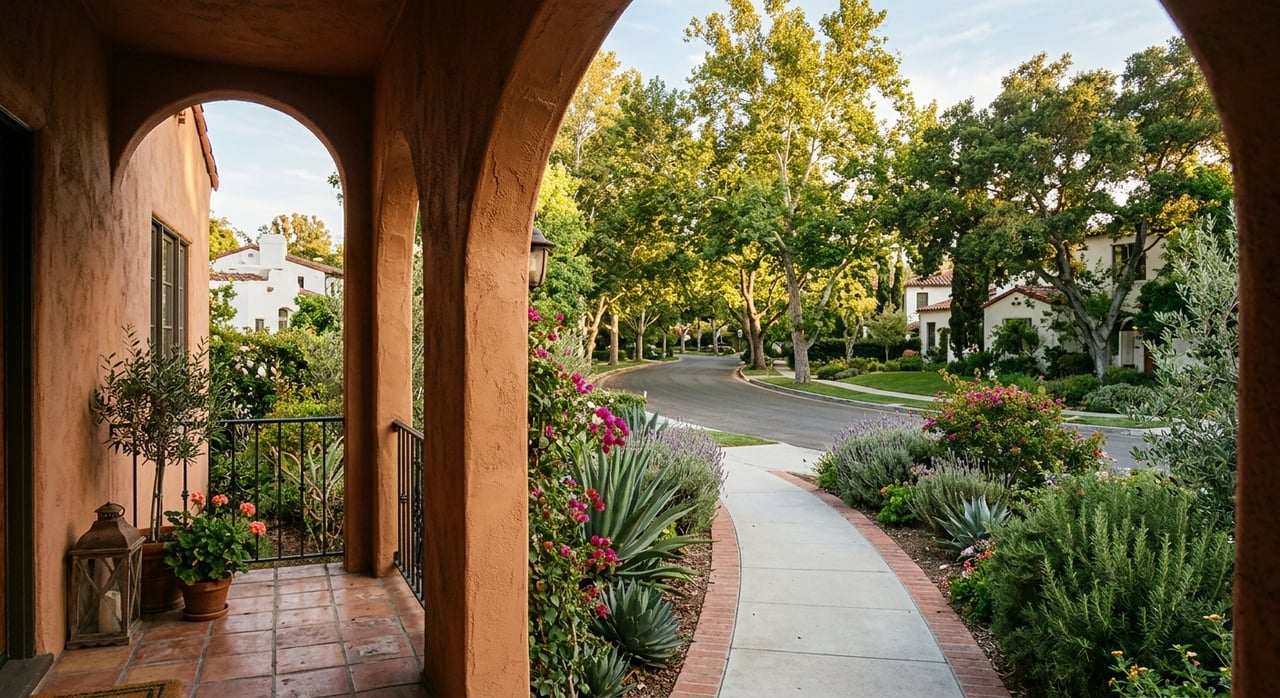
Curious what day-to-day life really feels like in St. Paul’s classic neighborhoods? For many buyers, the question is not just about architecture or home prices. It is about whether a neighborhood makes everyday routines feel easier, more connected, and more enjoyable. In St. Paul, that answer often comes down to walkable business streets, historic homes, mature trees, local parks, and a calendar filled with long-standing community traditions. If you are exploring a move within the Twin Cities or relocating from elsewhere, this guide will help you picture how these neighborhoods function in real life. Let’s take a closer look.
What Defines St. Paul’s Classic Neighborhoods
St. Paul often describes itself as a city of neighborhoods, and that identity shows up clearly in its classic west-side and southwest districts. These areas tend to blend historic housing, residential streets, corner businesses, and strong local identity.
Macalester-Groveland offers a useful snapshot of that pattern. The city’s plan describes a mix of single-family homes and apartments, corner stores, locally owned small businesses, and thousands of mature trees. For many buyers, that combination captures the appeal of everyday living in this part of St. Paul.
Historic Streets, Lived-In Feel
One of the biggest draws in St. Paul’s classic neighborhoods is that they feel established without feeling frozen in time. These are places where historic homes and active commercial corridors still support modern daily life.
Summit Avenue is a prime example. It is recognized as the longest preserved Victorian-era residential street in the country, with 373 of 440 original Victorian-era homes still standing. That historic character shapes the street’s identity, but it also sits within a broader neighborhood pattern that includes parks, shops, and cultural destinations.
Nearby Cathedral Hill adds another layer. It is known for a walkable setting with bakeries, coffee shops, fine dining, cultural cuisine, and views toward downtown. Cathedral Hill Park also serves as a welcoming public space near the Cathedral of Saint Paul, adding to the area’s sense of openness and access.
Key Corridors for Daily Life
In many of St. Paul’s classic neighborhoods, daily errands do not feel disconnected from where you live. Instead of driving from one isolated shopping center to another, residents often rely on neighborhood corridors where dining, shopping, and services are woven into the residential fabric.
The corridors most often tied to everyday routines include Grand Avenue, Selby Avenue, Ford Parkway, and West 7th. These streets help anchor nearby neighborhoods and give residents familiar places to pick up coffee, run errands, or meet friends close to home.
Grand Avenue
Grand Avenue developed around an electric streetcar line, and that legacy still shapes the street today. It remains a busy business district with longstanding cafes, bakery stops, global cuisine, boutique shopping, and major seasonal events like Grand Old Day.
For buyers, Grand Avenue often represents the kind of street that supports a walkable rhythm. You can picture short neighborhood trips, casual dinners, and weekend browsing without needing to leave the area.
West 7th
West 7th offers a different but equally established feel. It is described as the state’s oldest commercial corridor, with restaurants, breweries, and retail shops that continue to anchor daily life.
That commercial history gives the area an active, practical energy. For residents, it can mean having a strong mix of neighborhood destinations within a well-known corridor that has served St. Paul for generations.
Ford Parkway and Nearby Streets
In Highland Park and nearby areas, Ford Parkway plays a similar role. Ward 3 points to local businesses and restaurants on Ford Parkway, Grand, and West 7th, showing how these streets continue to shape daily routines across several neighborhoods.
This matters when you are choosing where to live. A neighborhood can be beautiful, but what often makes it work long term is having useful places nearby that fit naturally into your week.
Neighborhoods Buyers Often Compare
Several classic St. Paul neighborhoods come up often for buyers who want a balance of character, access, and everyday convenience. While each has its own identity, they share a strong residential fabric and ties to neighborhood-scale business streets.
Highland Park
Highland Park is often associated with parks, river access, and a well-established residential feel. It also benefits from nearby businesses and restaurants along Ford Parkway and surrounding corridors.
The area’s recreational amenities stand out as well. Highland Park includes aquatic facilities, golf, disc golf, sledding, and cross-country ski trails, making outdoor activity part of regular life across multiple seasons.
Macalester-Groveland
Macalester-Groveland is shaped by a traditional scale and a walkable mixed-use streetscape. Its mix of homes, apartments, local businesses, and mature trees helps explain why it is often seen as a classic St. Paul neighborhood in the fullest sense.
For buyers, the appeal is often in the balance. You get a clearly residential setting, but one that still feels connected to neighborhood commerce and community life.
Merriam Park
Merriam Park also reflects St. Paul’s established neighborhood pattern. It is tied to neighborhood business streets, parks, and a strong residential setting.
The Merriam Park Recreation Center adds year-round programming and a sledding hill. That kind of amenity can make a neighborhood feel active and useful well beyond the warmer months.
Parks Shape the Routine
In St. Paul, parks are not just scenic extras. They are part of how many residents structure their week, whether that means walking trails, spending time along the river, or using recreation facilities close to home.
Saint Paul Parks and Recreation manages 182 parks and open spaces, more than 120 miles of trails, and Great River Passage along more than 17 miles of Mississippi riverfront. That scale helps explain why outdoor access feels so integrated into daily life across the city.
River Corridor Living
The Mississippi corridor is especially important in several classic neighborhoods. Mississippi River Gorge Regional Park includes scenic overlooks and the Mississippi River Boulevard bike and pedestrian trail.
Shadow Falls Park is described as a quiet setting popular with students and local residents. Hidden Falls Regional Park sits along the Mississippi River next to Highland, reinforcing the sense that the riverbluff system functions like an extension of the neighborhood landscape.
City Parks With Year-Round Use
Como Regional Park is one of the city’s best-known recreation anchors. It includes 2.3 miles of paved trails, a zoo, conservatory, pool, golf course, carousel, ski center, and music programming.
Como Park Zoo & Conservatory is described by the city as the most visited cultural attraction in Minnesota and is enjoyed year-round. That year-round use is important in a city where seasons strongly shape how people spend their time.
Getting Around St. Paul
St. Paul’s classic neighborhoods were shaped in part by old streetcar routes, and that legacy still influences movement today. Many of the city’s neighborhood corridors, residential patterns, and mixed-use streets reflect that earlier framework.
Today, the METRO network includes buses, light rail, and bus rapid transit. The Green Line connects downtown Minneapolis, the University of Minnesota, and downtown St. Paul, giving residents another option for regional travel.
For biking and walking, the city’s trail network is a major asset. Saint Paul’s Grand Round is a 27-mile scenic parkway, and the city says that as of 2026, most of it is complete as an off-street bicycle and pedestrian trail.
The result is a city where many short trips can be handled in different ways. Depending on where you live, everyday movement may include a mix of walking, biking, transit, and driving rather than relying on only one mode.
Seasons Bring the Neighborhoods to Life
St. Paul’s classic neighborhoods are not only about physical setting. They are also shaped by annual events and cultural routines that give the city a strong sense of continuity from season to season.
The Saint Paul Winter Carnival has been produced since 1886 and remains the city’s signature cold-weather tradition. That kind of long-running event helps define winter as an active season rather than a pause in neighborhood life.
In summer, Grand Old Day has been hosted since 1973 and draws large crowds to Grand Avenue. Rondo Days also adds live music, art, family activities, and community engagement while honoring the history of the Rondo neighborhood.
These events matter because they reinforce how neighborhoods are used, not just admired. They create repeat rhythms that help residents feel part of a place over time.
Culture Is Part of Daily Life
Another strength of St. Paul’s classic neighborhoods is how closely everyday living connects to cultural destinations. In many parts of the city, architecture, performance spaces, museums, and historic landmarks are not far removed from residential life.
The Ordway serves as downtown Saint Paul’s performing arts center. Landmark Center functions as a cultural center for music, dance, theater, exhibitions, and forums, while the Minnesota History Center adds a major museum and event venue with views of the Capitol, Cathedral of Saint Paul, and downtown skyline.
Within or near the classic neighborhoods, places like the Cathedral of Saint Paul, James J. Hill House, and Germanic-American Institute reinforce the city’s layered identity. For buyers, that often translates into a neighborhood experience with more texture and continuity than a purely residential setting.
Why Buyers Gravitate Here
For many buyers, St. Paul’s classic neighborhoods offer a practical kind of charm. The appeal is not only the architecture, though that certainly matters. It is the combination of neighborhood business streets, recreation, connectivity, and local traditions that support daily life.
You may find that these areas feel especially livable because errands, parks, cultural destinations, and seasonal events all happen close to home. That urban village pattern is a major reason these neighborhoods continue to stand out within the broader Twin Cities market.
If you are weighing a move to St. Paul, it helps to look beyond listing photos and think about how you want your week to function. In these classic neighborhoods, the setting often supports a more connected and place-based routine.
If you are exploring St. Paul alongside other Twin Cities options, Hays + Baker Real Estate offers thoughtful, high-touch guidance to help you compare neighborhoods, refine your search, and move with confidence.
FAQs
What makes St. Paul’s classic neighborhoods feel different from newer areas?
- St. Paul’s classic neighborhoods often combine historic housing, mature trees, neighborhood business corridors, parks, and long-standing community identity within a more established street pattern.
Which St. Paul streets are most important for everyday errands and dining?
- Grand Avenue, Selby Avenue, Ford Parkway, and West 7th are key neighborhood corridors where dining, shopping, and daily errands are built into the residential fabric.
What is everyday life like near Summit Avenue and Cathedral Hill in St. Paul?
- Daily life near Summit Avenue and Cathedral Hill often includes access to historic residential streets, walkable coffee shops and bakeries, dining options, public green space, and nearby cultural landmarks.
Are parks a major part of life in St. Paul’s classic neighborhoods?
- Yes. St. Paul manages 182 parks and open spaces and more than 120 miles of trails, and neighborhoods near the river corridor, Highland, Merriam Park, and Como benefit from strong everyday access to outdoor amenities.
How do residents get around St. Paul’s classic neighborhoods?
- Many residents use a mix of driving, walking, biking, and transit, supported by neighborhood business corridors, the METRO system, the Green Line, and trail networks like the Saint Paul Grand Round.
Which St. Paul neighborhoods are often compared by buyers seeking character and convenience?
- Buyers often compare Highland Park, Macalester-Groveland, Merriam Park, Cathedral Hill, and areas connected to Grand Avenue or West 7th when looking for established neighborhoods with daily amenities and strong local identity.