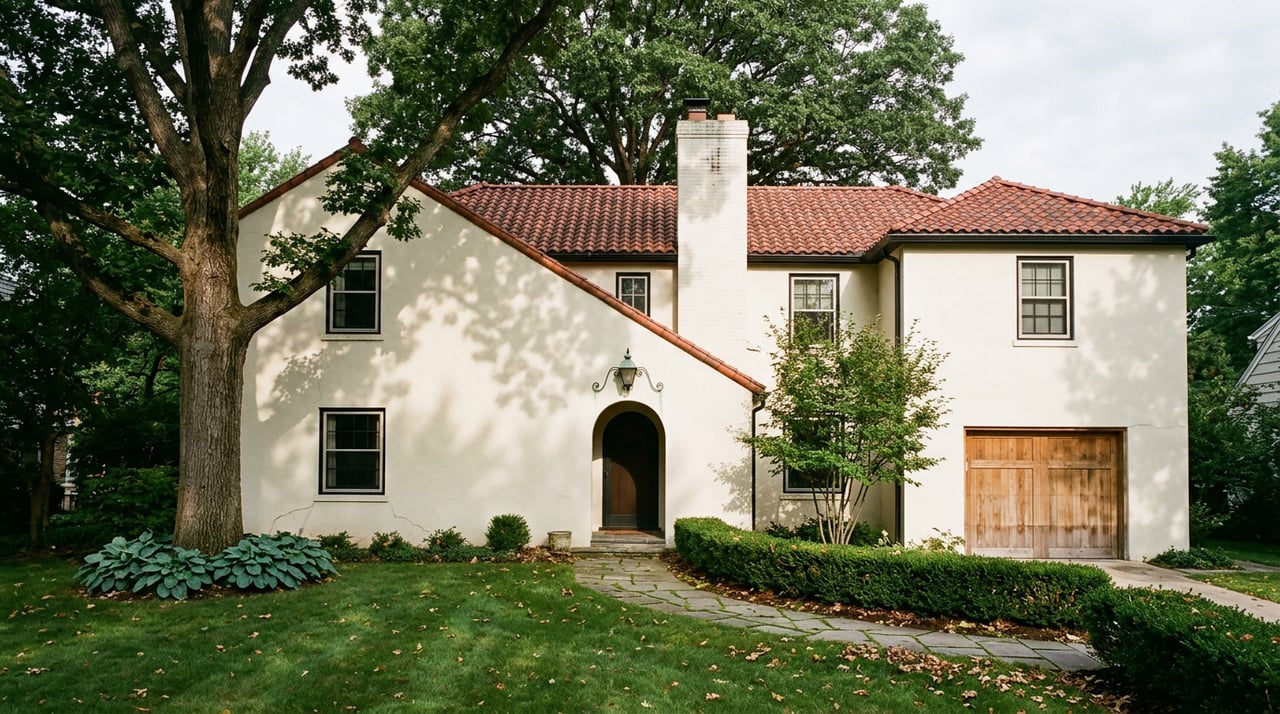
A homeowner building on a wooded Edina lot recently found herself putting $95,000 into an escrow account before she could break ground, money the city held until she proved the trees she'd removed had been replaced and survived. Another local builder has described a single 35-foot tree triggering a $19,000 deposit on its own, back in December 2023, before the city adjusted its approach. Those numbers sound like outliers. They are not entirely, and as of March 2026 the rules that produce them apply to more Edina properties than at any point since the ordinance was first written.
If you are evaluating a lot with mature trees anywhere in Edina, the escrow tied to those trees is no longer a teardown-corridor problem. It is a citywide one.
What Changed in March
Edina's tree protection rules have been tightened, loosened, and rewritten in stages since the city first passed a preservation ordinance about a decade ago, according to City Manager Scott Neal. The version that caused the most friction took effect in 2023, when the city began requiring cash escrow or a letter of credit before it would issue a building permit on a lot where protected trees were coming down. That rule produced the six-figure stories, prompted a demand letter from the homebuilder group Housing First Minnesota, and eventually led to a lawsuit filed in Hennepin County District Court in August 2025 arguing the city had exceeded its authority.
The city council voted 4-1 on February 17, 2026 to approve a rewritten ordinance, with Councilmember James Pierce the lone dissent. Housing First Minnesota dropped its lawsuit on March 13, 2026 after Edina repealed and replaced the rule. The new ordinance took effect March 12, 2026, and it does two things at once that pull in opposite directions.
It gets bigger. The requirement now applies to every zoning district in Edina, not just the R-1 and R-2 residential zones where it previously lived. Any property pulling a building permit, for a garage, an addition, a new house, is now in scope.
It gets softer, per tree. The rewrite adds an offsite planting option for lots that cannot fit their required replacement trees, allows up to 20 percent of replacements to be a different species than what was removed, exempts trees that are removed because they threaten a foundation or driveway regardless of construction, and applies retroactively to unbuilt lots that were caught by earlier, stricter language.
That combination matters more than either change on its own. A buyer who checked their zoning two years ago and concluded the tree ordinance did not apply to them can no longer make that assumption. The net is wider even though the per-tree math is, in most cases, less punishing than it was in 2023 and 2024.
How the Escrow Gets Calculated
The mechanics haven't changed as much as the coverage has. Before a building permit is issued on a property with protected trees, an applicant still posts financial security calculated one of two ways: 110 percent of a verified landscape quote for the required replacement trees, or a per-inch formula written into the ordinance itself.
A protected tree is a deciduous tree at least 5 inches in diameter at breast height, excluding a short list of species including box elder, ash, and silver maple, or a coniferous tree at least 15 feet tall. A heritage tree, the more expensive category, is a deciduous tree over 30 inches in diameter or a coniferous tree taller than 30 feet.
Under the per-inch method, removing a protected tree without replacing at least 75 percent of its diameter or height costs $300 for every inch or foot short of that threshold. Removing a heritage tree without replacing 100 percent of it costs $500 per inch or foot short. A single mature oak with a 30-inch trunk that isn't fully replaced can generate a bill in the thousands before a shovel touches the foundation.
The hold period has moved in the buyer's favor. Under the 2023 rule, the city held escrow for three years to confirm replacement trees survived. Half comes back once the certificate of occupancy is issued and the City Forester confirms the planting plan was followed. The remaining half is now released 12 months after that, once a certified arborist confirms the new trees are healthy, down from the three-year wait that drew the sharpest criticism from builders and homeowners in 2024.
Why the Average Is the Wrong Number to Plan Around
City officials have reported reviewing 455 permits since January 2023, of which 68 required an escrow deposit, with an average paid amount of roughly $15,550. That average is worth knowing and worth ignoring at the same time. It blends small remodels that removed one marginal tree with full teardowns that cleared a heavily wooded lot, which is exactly why the same city data set includes a $95,000 case at one end and routine four-figure deposits at the other.
For a buyer evaluating a specific lot, the average tells you almost nothing. What matters is the canopy on that lot: how many protected and heritage trees stand where a foundation, driveway, or septic field needs to go, and what percentage of each one's diameter survives the build. Edina publishes escrow worksheets, Tables A through D, that let you run this math against a specific tree inventory before you write an offer, not after you're under contract and a tree survey surprises you mid-inspection period.
What This Means If You're Bidding on a Wooded Lot Now
The neighborhoods with Edina's oldest, largest trees, areas like Country Club and Indian Hills, have always carried this exposure because they sit in R-1 and R-2 zones. What changed in March is that a wooded lot in a zoning district that used to be exempt now carries the same requirement. If you're comparing two properties, one with three mature oaks and one with a cleared yard, the tree survey is no longer a nice-to-have. It's a line item that belongs next to the other disclosures already standard in a Minnesota purchase agreement, alongside things like the seller's well disclosure certificate, because it can move into six figures before construction financing is even finalized.
A practical sequence for anyone evaluating a teardown or new-build lot in Edina: request or commission a tree survey before the inspection period closes, identify which trees on it meet the protected or heritage threshold, and run the per-inch math yourself using the city's published tables rather than relying on a contractor's verbal estimate. The gap between what a builder assumes and what the City Forester actually calculates has been the source of most of the disputes covered in local reporting on this ordinance.
A Few Direct Questions
Does the ordinance apply if I'm remodeling instead of tearing down? Yes. The tree protection permit requirement is triggered by any building permit application, including additions to a principal or accessory structure, not only full demolitions. That has not changed under the March rewrite.
What if the lot is vacant and has never had a house on it? The February 2026 amendment added retroactive exemptions for unbuilt lots that were previously caught under stricter language. Confirm current status directly with the City Forester's office before assuming a specific lot qualifies, since exemption criteria are evaluated case by case.
Can I get my escrow back if a replacement tree doesn't survive? The first half of your escrow releases once the City Forester confirms your planting plan was followed at project completion. The second half releases 12 months later, after a certified arborist confirms the trees are healthy. If a replacement tree dies before that inspection, it can typically be replaced onsite to preserve the second-half refund.
Buying or building on a wooded Edina lot is still one of the more compelling paths into the city's established neighborhoods, and the March rewrite genuinely eased some of the sharpest edges builders and homeowners were running into. It also means more properties now carry this requirement than did two years ago. Knowing which category a specific lot falls into, and running the math before you're under contract, is the difference between a manageable line item and a mid-build surprise.
If you're evaluating a lot in Edina and want a clear read on what a specific parcel's tree canopy could mean for your build budget and timeline, the Hays + Baker Team can help you look at the property with that question in mind before you write an offer. Begin your curated real estate experience.