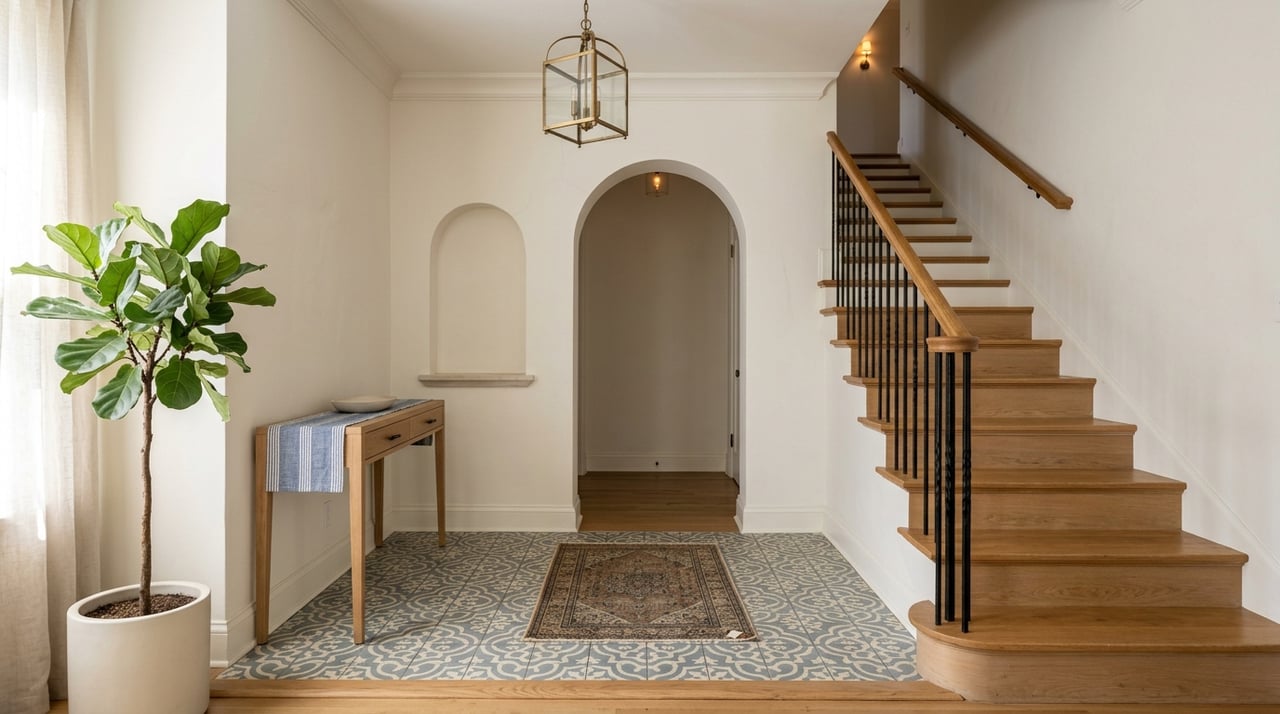
If you love old homes, St. Paul can feel like a dream. From Victorian-era streetscapes to early 20th-century bungalows and Tudor Revival homes, the city offers remarkable architectural character and a housing stock with real history. But buying a historic home with confidence means knowing what you are looking at, what rules may apply, and how to budget for both preservation and change. Let’s dive in.
Why St. Paul Stands Out
St. Paul is one of the Twin Cities' strongest markets for historic housing simply because so much of its housing stock is older. According to the city’s housing assessment, the median age of residential units is 69 years, and 57% of single-family, duplex, and triplex structures were built before 1930.
That age and depth create a wide range of architectural styles across the city. City survey work documents homes influenced by Bungalow, Craftsman, Tudor Revival, Prairie School, Colonial Revival, Dutch Colonial Revival, Queen Anne, Shingle Style, Foursquare, and Neo-Classical Revival design, among others, in neighborhoods across Saint Paul, as shown in the city’s historic survey materials.
Some areas are especially known for historic character. The city notes that historic resources include more than 75 individually designated historic properties and 9 locally designated historic districts, and buyers can verify a specific property on the city’s interactive preservation map and FAQ page. The same city housing assessment also cites Summit Avenue as the longest stretch of Victorian mansions remaining in the country.
Know the Type of Historic Status
Not every older home in St. Paul carries the same designation. That distinction matters because it can affect what kind of review is required if you want to make exterior changes later.
Local designation vs. National Register
If a home is a designated heritage site or located within a locally designated heritage district, Saint Paul requires Heritage Preservation review for exterior projects. The city explains in its preservation FAQ that local designation does not prohibit change, but it does guide alterations, demolition, and new construction so work remains compatible with historic character.
National Register status is different. Minnesota SHPO explains in its National Register FAQ that listing in the National Register provides recognition, but it does not by itself require extra maintenance, prohibit sale, or impose the same local review standards unless other federal or state triggers apply.
Why that difference matters to you
For a buyer, this is one of the first questions worth answering during due diligence. If a home is locally designated, you should expect more structured review for exterior work and longer planning timelines for certain improvements.
If a home is only National Register-listed, the experience may be different. You still need to comply with local rules and standard permitting, but National Register status alone does not create the same city preservation review burden.
What Changes May Need Review
Historic designation does not mean you cannot improve a property. It means your exterior changes may need to be reviewed for compatibility.
Saint Paul’s design review application guidance identifies recurring review areas such as windows, roofs, porches, decks, additions, materials, and setbacks. If your long-term plan includes replacing windows, changing siding, rebuilding a porch, or adding outdoor living space, those items should be discussed early.
In practice, many district guidelines focus on how new work relates to the original building and surrounding streetscape. Saint Paul’s Historic Hill guidelines show the kinds of details often considered, including scale, massing, roof shape, materials, windows, porches, and setback.
Expect a slower exterior project timeline
Saint Paul asks owners of designated properties or homes in historic districts to consult guidelines early and submit permits through PAULIE. The city notes that express permits are not available for historic structures or properties in historic districts, and while complete administrative reviews are often finished in about five business days, more complex projects go to the Heritage Preservation Commission.
That does not need to be a deal-breaker. It simply means a historic-home purchase is often best approached with a more deliberate planning mindset than a newer home purchase.
Treat Inspections as a Priority
Older homes can be beautifully built, but they also require careful due diligence. In St. Paul, one of the first documents you are likely to see is the city’s Truth-in-Sale of Housing report.
Understand what TISH does and does not do
Saint Paul requires a Truth-in-Sale of Housing evaluation before marketing many residential properties for sale, including single-family homes, duplexes, condominiums, and townhouses. The city is very clear that this report is for disclosure only and recommends that buyers hire their own independent home inspector.
That point matters. A TISH report can help you identify known issues, but it is not a substitute for your own inspection strategy.
Build the right inspection team
When you are buying an older St. Paul home, your inspection process should be especially thoughtful. Depending on the property and its age, buyers often want close attention on visible aging materials, prior repairs, and the condition of systems and exterior features that may affect future budgeting.
A strong due diligence process also helps you separate cosmetic charm from true repair needs. Historic homes often reward careful buyers who understand both the beauty and the responsibility that come with original details and older construction.
Plan for Lead and Other Environmental Concerns
If the home was built before 1978, lead-based paint should be part of your review process. Minnesota Department of Health guidance states that about 75% of homes built before 1978 contain some lead-based paint, and homeowners should assume that any pre-1978 home contains some lead, according to the MDH lead and remodeling guidance.
The EPA also states that buyers of pre-1978 housing should receive lead disclosure information before signing a contract. If you are considering updates after closing, lead-safe renovation practices matter as well.
Look beyond lead alone
MDH also advises homeowners to consider issues such as asbestos, mold, and radon during remodeling, especially in older homes. If testing is needed, the same MDH guidance notes that paint chip sampling for lead in Minnesota may only be done by a licensed lead-based-paint inspector or risk assessor.
This is less about alarm and more about preparation. A clear understanding of environmental conditions helps you budget smartly and avoid surprises once work begins.
Budget for Preservation-Sensitive Updates
One of the biggest mistakes buyers make is assuming an older home can be updated on the same timeline and with the same materials as a newer property. In many cases, historic homes benefit from a more measured approach.
The National Park Service explains in its rehabilitation standards that good rehabilitation keeps the features that convey a building’s historic character while allowing compatible new use. The guidance also allows substitute materials when original materials are not reasonably possible, as long as the replacement closely matches the historic feature in visual and physical terms.
Think in phases, not quick fixes
A practical way to approach a St. Paul historic home is to separate work into phases:
- Immediate repairs and safety items
- Near-term exterior maintenance
- Long-term design updates that may require review
- Energy-efficiency improvements that respect historic materials
The same NPS guidance notes that energy-efficiency measures and weatherization can work in historic buildings if they do not diminish historic character or damage historic materials. That gives buyers room to improve comfort and efficiency while still respecting what makes the home special.
Be Realistic About Tax Credit Expectations
Some buyers assume a historic house automatically comes with tax-credit opportunities. For owner-occupied homes, that is usually not the case.
The National Park Service states in its eligibility requirements that owner-occupied residential properties do not qualify for the federal historic rehabilitation tax credit. Minnesota’s SHPO and Department of Revenue guidance, as cited in the research, also exclude owner-occupied residential properties from the state historic structure rehabilitation credit and require pre-construction SHPO certification for eligible projects.
That means your purchase decision should be based on the home itself, your renovation goals, and your budget, not assumed owner-occupant tax incentives.
A Confident Buying Strategy
Historic homes ask for a different kind of buyer mindset. The best approach is not fear or romance alone, but a blend of appreciation, documentation, and careful planning.
As you evaluate a property, keep these core questions in mind:
- Is the home locally designated or only listed in the National Register?
- Which exterior features may require city preservation review?
- What does the TISH report show, and what did your independent inspector find?
- Was the home built before 1978, and were lead disclosures provided?
- What updates do you want to make in the first one to three years?
- Does your budget reflect slower review timelines and preservation-sensitive repairs?
In a city like St. Paul, historic homes offer something hard to replicate: architectural depth, lasting character, and a strong sense of place. When you pair that character with disciplined due diligence, you can move forward with clarity and confidence.
If you are considering a historic home in St. Paul and want thoughtful guidance through the buying process, Hays + Baker Real Estate offers a curated, high-touch approach built around clear counsel, careful preparation, and confident decision-making.
FAQs
What does local historic designation mean for a St. Paul homebuyer?
- Local designation means exterior changes to a designated heritage site or a property in a locally designated historic district may require Heritage Preservation review by the city.
What is the difference between National Register status and local designation in St. Paul?
- National Register listing provides recognition, but by itself it does not create the same local review requirements that apply to locally designated properties.
What is the Truth-in-Sale of Housing report in St. Paul?
- The Truth-in-Sale of Housing report is a city-required disclosure report for many residential sales, but Saint Paul recommends that buyers still hire their own independent home inspector.
What should buyers know about lead paint in older St. Paul homes?
- If a home was built before 1978, you should assume it may contain some lead-based paint, review required lead disclosures, and use lead-safe practices for future renovation work.
What exterior features often need review in St. Paul historic districts?
- Common review items include windows, roofs, porches, decks, additions, materials, and setbacks.
Do owner-occupied historic homes in Minnesota qualify for rehabilitation tax credits?
- No. According to the cited federal and Minnesota guidance, owner-occupied residential properties do not qualify for those historic rehabilitation tax credits.