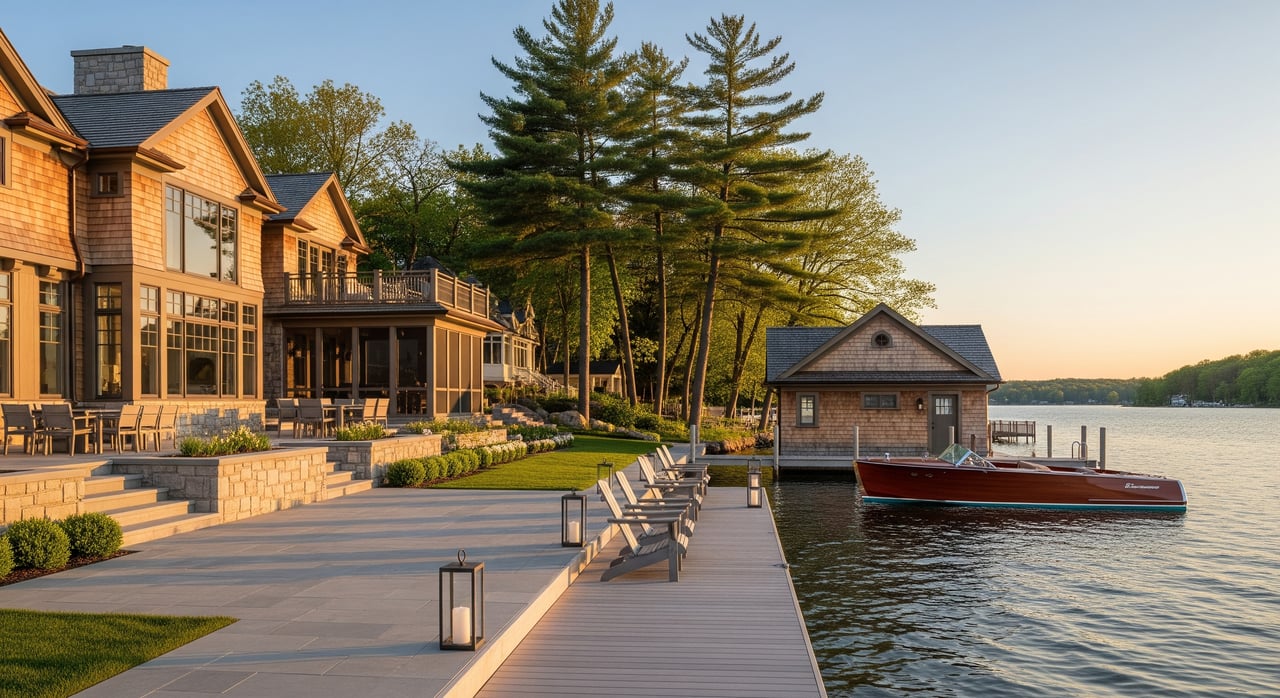
Is your goal to hand over the keys just as boats hit the water? On Lake Minnetonka, timing is more than a date on the calendar. It shapes your buyer pool, your presentation, and your final price. In this guide, you’ll learn the best listing windows by property type, how to prepare for inspections and permits, and the visuals that sell a lake lifestyle. Let’s dive in.
What “best time” means here
Lake Minnetonka’s market follows the seasons. Ice-out often lands in March or April, and buyer activity typically accelerates from April through July. Spring gives you the widest pool of active buyers who want to be under contract before summer. Summer showings let buyers experience boating conditions, mature landscaping, and dock access at their best.
Fall and winter still move the market, especially for distinctive or high-end homes and buyers with flexible timing. Off-season listings can highlight year-round systems and quieter showings. Your strategy should match your goals, property type, and the current year’s inventory and interest rates.
Why spring stands out
- Many buyers want to close before peak boating months.
- Inventory is often lighter in late winter and early spring, which can favor well-prepared listings.
- Fresh post ice-out visuals let you showcase water access, dock setup, and shoreline condition.
When summer makes sense
- You can present full landscaping, active lake scenes, and ideal dock access.
- Expect more competition from other listings, but also highly motivated visitors who want to enjoy the lake immediately.
Fall and winter opportunities
- Serious buyers continue year-round, including relocations and second-home shoppers.
- You can emphasize winter lifestyle and property systems, then provide a companion set of summer photos when available.
Timing by property type
Direct waterfront homes
- Best window: early March through mid-May to capture spring buyers planning summer use.
- Alternative: late May through June if you have exceptional summer visuals ready. Expect more listings to compete with, but also strong, lifestyle-focused traffic.
Near-lake and walkable properties
- Best window: March through June. These homes benefit from the same spring momentum without relying as heavily on summer-only visuals.
- Also consider late summer or early fall to reach year-round buyers who want proximity to the lake.
Condos and townhomes with lake access
- More flexible timing throughout the year, with spring still the strongest for reach.
- If you list off-season, lean into year-round benefits like heated parking, indoor amenities, and low-maintenance living.
High-end and unique estates
- Sophisticated buyers shop all year. Spring still delivers the broadest local interest, but private showings and tailored marketing can create results in any season.
- Consider timing media and showings around key local moments or when the property presents at its best.
Pre-listing checklist for lake sellers
A smooth launch begins long before you hit the MLS. Address these items early so buyers see clear answers, not red flags.
Inspections and technical items
- Septic: Obtain a recent inspection or pump report if applicable and disclose known issues.
- Well water: Secure a current water test or plan to test early.
- Shoreline and dock: Confirm permits, note any violations, and document seawall or stabilization work. Gather estimates if repairs are needed.
- Flood zones: Check FEMA flood map status and insurance availability if relevant.
- Structural and systems: Consider a pre-list inspection for roof, foundation, and HVAC. Waterfront buyers expect thorough due diligence.
- Year-round readiness: If marketed as year-round, document insulation, heating, and any de-winterization plans.
Permits, disclosures, and records
- Verify that docks, boathouses, and shoreline alterations followed city rules and Minnesota DNR guidance.
- Clarify riparian rights, deeded or shared access, HOA rules, and any easements.
- Pull county property records, recent tax history, and note assessments tied to shoreline or utility projects.
Curb appeal and staging
- Dock and shoreline: Repair loose boards, remove debris, and tidy lifts and accessories.
- Landscaping: For early spring listings, keep areas neat and use professional photography to set expectations until greenery fills in.
- Interior: Stage to frame the view and lifestyle. Keep lake gear organized and highlight year-round comforts like fireplaces and insulated windows.
Visual strategy by season
Your visuals should sell how the property lives across the calendar. A well-planned media mix increases engagement and buyer confidence.
- Spring listing: Schedule photography just after ice-out. Include drone images that reveal the lot, shoreline, and water approach. Capture dock setup, views, and the home’s orientation to the lake.
- Summer marketing: Show boating, outdoor entertaining, and mature landscaping. Short lifestyle clips and drone flyovers can boost attention and urgency.
- Winter marketing: Present cozy interiors, heated garages, and easy access. Pair with a companion summer photo set so buyers see both seasons.
- Virtual tours and floor plans: Essential for out-of-area buyers who may rely on digital viewing before a trip.
Pricing, comps, and negotiations
Lakefront valuation is not one-size-fits-all. Comparable sales are fewer and often span a wider time frame.
- Comps window: Use a 12 to 24 month lookback for waterfront properties. Adjust for lot width, water depth, view corridors, and dock condition.
- Appraisal strategy: Unique properties can trigger appraisal gaps because comps are limited. Prepare a clear adjustments narrative and anticipate contingencies tied to septic, well, shoreline permits, or lift inclusions.
- Seasonal pricing dynamics: Competitive spring pricing can generate faster offers. Off-peak periods may attract buyers who expect some concessions. Align terms with your goals and timeframe.
Suggested timeline for a spring launch
Use this as a planning framework and adjust for your home’s condition, ice-out, and contractor availability.
- 2 to 3 months out: Schedule septic and well checks, and a pre-list inspection of roof, foundation, and HVAC. Pull permits and records, and start any priority repairs.
- 4 to 6 weeks out: Book staging, landscaping touch-ups, and a drone photographer timed for post ice-out. Assemble a summer photo plan if you will still be on market then.
- Listing week: Finalize pricing with a clear comps narrative. Publish to the MLS and targeted channels, and structure private showings to maximize daylight and dock access.
If you prefer summer visuals
Start earlier. Line up landscaping, dock installation, and media so June or July photos show the property at its peak. A soft pre-market strategy in late spring can capture early buyers while you prepare full summer content.
Local factors that can shift timing
- Inventory: Lower supply in late winter and early spring can benefit sellers, while broader spring inventory changes competition.
- Mortgage rates: Demand can move with rates, regardless of season. Watch current trends as you plan.
- Year-to-year weather: Ice-out varies. Build flexibility into your media and showing plan.
Ready to list with confidence
You deserve a listing strategy built for this lake, not a national template. With curated presentation, clear preparation, and targeted exposure, you can launch into the season that best fits your goals and property type. If you are considering Wayzata, Excelsior, Deephaven, Orono, Mound, or any Lake Minnetonka community, we can help you plan the right moment, the right story, and the right market debut.
Begin your curated real estate experience with Hays + Baker Real Estate.
FAQs
Is spring always best for Lake Minnetonka listings?
- Spring and early summer generally bring the largest buyer pool, but property condition, pricing, and your goals can make other seasons effective.
Should I wait for summer so the lake looks its best?
- Summer visuals are powerful, but waiting can mean missing spring buyers; a common plan is to list in spring and add summer photos later.
How do dock permits and shoreline rules affect my sale?
- They matter a lot; buyers and lenders look for clear permits, usable water depth, and seawall or stabilization documentation.
How far back should comps go for waterfront homes?
- Expect a 12 to 24 month lookback, with careful adjustments for lot width, water depth, views, and dock condition.
Are pricing and offers seasonal around the lake?
- Yes; spring pricing can drive quicker offers, while off-peak buyers may seek concessions or longer timelines.
What inspections should I complete before listing a lake home?
- Prioritize septic, well water testing, and a pre-list check of roof, foundation, and HVAC, plus flood status and shoreline documentation.